







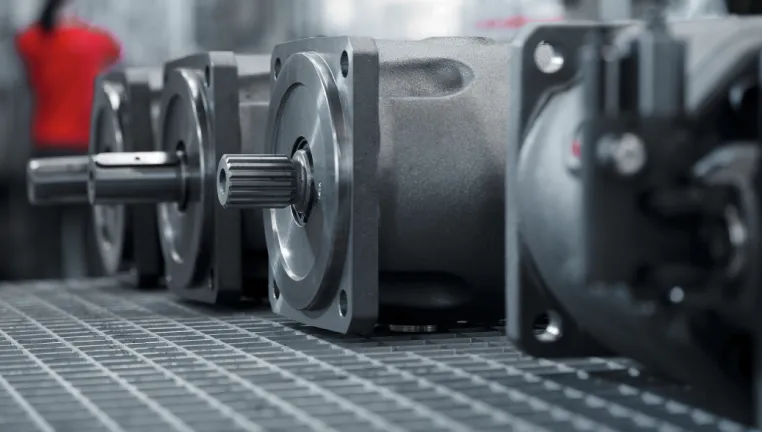
Rotate & Lift Rotary Actuators
Rotary actuators deliver controlled, high‑torque rotational motion, offering compact, durable solutions for precise positioning and smooth, reliable movement in demanding hydraulic applications.
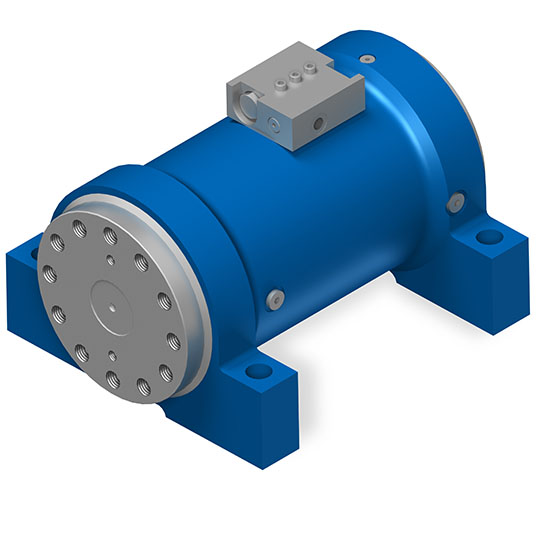
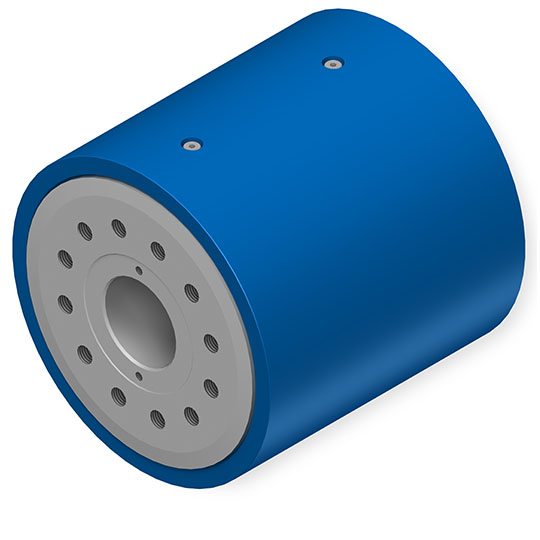
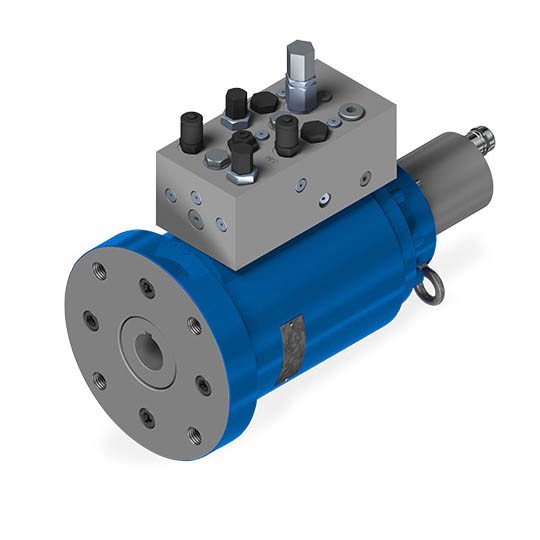
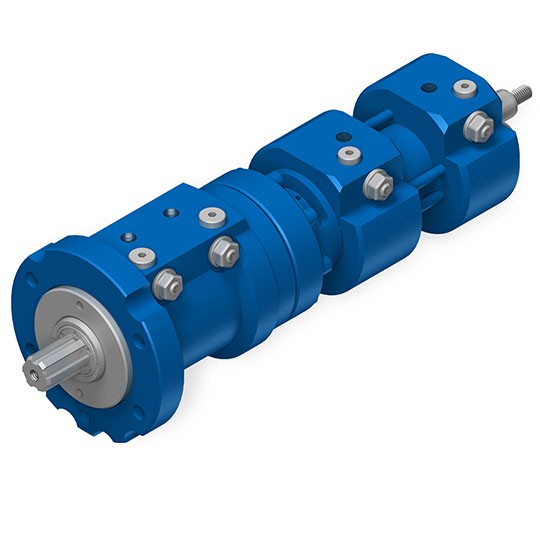
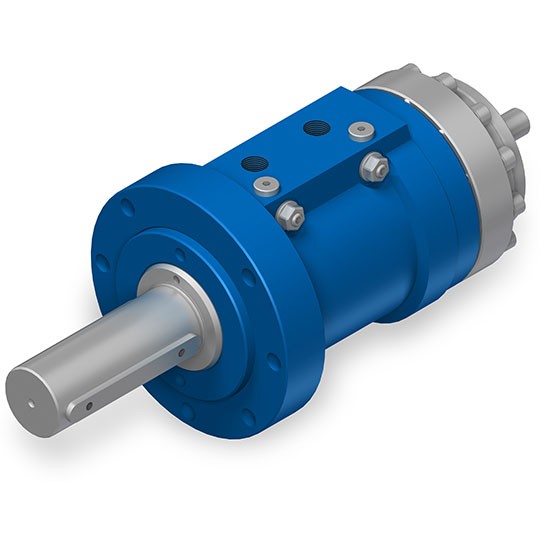
At Hydrastore, we have a wide stock of top-quality and durable rotary actuators. These hardworking components provide an angular or rotating movement, whilst providing very high torque and accurate positioning. Some applications require both lift and turn functionality in a compact package, HKS actuators provide such equipment.
If you‘re looking for a rotate and lift actuator, for a heavy-duty lifting application such as a rubbish truck, we have a selection from leading engineering brand, HKS Partners. The German manufacturer specialises in robust and reliable rotary actuators, which are used across the globe, including in deep-sea environments.
Their powerful rotate and lift rotary actuators are found worldwide in production lines, in mines and in manufacturing industries – anywhere where loads need to be both lifted and turned.
Hydraulic rotary actuators play a crucial role in industries that require powerful, reliable motion control. By converting hydraulic pressure into rotational motion, these devices are essential in manufacturing, automation, and heavy machinery.
What is a Hydraulic Rotary Actuator?
A hydraulic rotary actuator convert hydraulic fluid pressure into controlled rotational motion. Whereas linear actuators move in a straight line, rotary actuators create rotational motion that can range from a few degrees up to full 360° turns. This makes them ideal for applications that require precise and powerful torque in compact spaces.
Key components include a cylinder, piston, and output shaft, which work together to produce the desired angle of rotation.
Key Types of Hydraulic Rotary Actuators
There are several types of hydraulic rotary actuators, each suited to specific applications.
1. Rotary Vane Actuators
A rotary vane actuator has a rotor fitted inside a cylinder. The vane, which is fixed to the rotor, divides the cylinder into chambers. Hydraulic fluid is pumped into a chamber causing the vane to rotate. Rotary vane actuators are compact and capable of continuous rotation. They’re often used for applications requiring smooth, low-speed motion such as in automation and industrial settings.
- Advantages: Compact and efficient.
- Limitations: Generally used for lighter loads and limited in rotation angles compared to other actuators.
2. Rack and Pinion Rotary Actuators
The rack and pinion setup delivers a high torque output. Hydraulic pressure pushes a piston attached to a rack, which then drives the pinion gear. The motion produced by the mechanical efficiency of the rack and pinion setup means powerful, adjustable output torque in a wide range of rotation angles.
- Advantages: Ideal for high-torque applications and adaptable to various industrial uses.
- Limitations: The range of rotation can be limited and requires more space than vane designs.
3. Helical Spline Rotary Actuators
By using a helical spline mechanism these actuators convert linear motion into rotation. Pressurised fluid moves the piston, which then turns the output shaft. This type of actuator offers continuous rotation and high torque for applications requiring precise control over angular movement. They’re ideal for heavy-duty applications.
- Advantages: Compact with high torque output.
- Limitations: Slow in speed compared to other types.
Hydraulic Rotary Actuators vs. Pneumatic and Electric Rotary Actuators
Hydraulic, pneumatic, and electric rotary actuators, each have unique characteristics and preferable applications:
- Pneumatic Rotary Actuators: Use compressed air to generate motion. They are fast and commonly used for tasks that need speed but do not require high torque.
- Electric Rotary Actuators: Driven by an electric motor, these actuators are known for precision and control, making them ideal for automation and robotics. However, they may lack the power needed for heavy loads.
Hydraulic rotary actuators stand out for their ability to deliver high torque, making them suitable for applications requiring significant force and control. They also have a high mechanical efficiency and can operate under extreme conditions, which is crucial in industries like aerospace and construction.
Applications of Hydraulic Rotary Actuators Examples
Hydraulic rotary actuators are widely used in industrial applications. The below are some common uses, but we can see these actuators in use across many more applications.
1. Manufacturing and Automation
In manufacturing, these actuators can automate a variety of tasks, from rotating components to adjusting machinery. They are commonly used to rotate clamps, fitting tools, or even transfer parts on assembly lines. Their compact design means they can also be used in tight spaces, making them versatile for robotic automation.
2. Aerospace and Defence
In the aerospace sector, hydraulic rotary actuators are used in applications like controlling flaps, landing gear, and brake systems. Their ability to handle differential pressure and work under extreme conditions makes them perfect for high-stress environments.
3. Heavy Machinery and Construction
These actuators are integral to earth-moving equipment, cranes, and other heavy-duty machinery. They help control the pivoting and rotating mechanisms, as well as control arm movements. The high torque output is essential for moving heavy loads or adjusting the positioning of large components.
4. Marine and Offshore
Marine environments demand equipment that can handle corrosion, moisture, and heavy loads. Hydraulic rotary actuators are found in winches, cranes, and rudder controls on ships, as well as offshore drilling rigs, where they withstand harsh conditions while delivering powerful and precise control.
Factors to Consider When Choosing a Hydraulic Rotary Actuator
It’s best to understand a few factors before selecting the right hydraulic rotary actuator:
- Torque Requirements: Find out the output torque you need for your application. Hydraulic actuators are ideal when high torque is essential.
- Rotation Angle: Some actuators are more limited in rotation angles, so consider the required angle of rotation for the task.
- Load Capacity: Some actuators are excellent for heavier loads but less so for applications requiring very high speed.
- Environment: Ensure the actuator’s seals and materials match the environment, particularly if exposed to extreme temperatures or harsh chemicals.
- Maintenance and Lifecycle: Consider the maintenance needs, as hydraulic systems may require regular checks for leakage and fluid levels.
Maintenance and Troubleshooting Tips
Ensure mechanical efficiency and prevent issues through regular maintenance. Here are some practical tips:
- Regular Inspections: Check for fluid leaks, wear on seals, and differential pressure inconsistencies.
- Fluid Management: We always recommended using the right hydraulic fluid. You’ll also need to replace it periodically to avoid damage through contamination.
- Seal Replacement: Hydraulic actuators rely on tight seals to prevent leakage. Replace worn seals to maintain efficiency.
- Check for Misalignment: Ensure that the output shaft and load connections are aligned. Misalignment can cause unnecessary stress on components and reduce the actuator’s lifespan.
The Future of Hydraulic Rotary Actuators
With advances in automatic systems and robotics, hydraulic rotary actuators are becoming more sophisticated. Integration with IoT systems for real-time monitoring, smart sensors for position control, and developments in seal technology are enhancing actuator reliability and efficiency. Newer compact designs are also making these actuators suitable for smaller machines.
For industries relying on powerful motion control solutions, hydraulic rotary actuators are still a must-have. Their adaptability, combined with high output torque and reliability, makes them the go-to choice in industrial and heavy-duty applications.
HKS Rotary Actuators at Hydrastore
German-based engineering firm HKS Partners has been designing and making industry-leading engineering components since 1970. Renowned for their top-quality products, they are one of our most trusted suppliers. At Hydrastore, we‘re confident to recommend HKS actuators, as they‘re built to last and to an extremely high specification.
Working worldwide, HKS makes rotatory actuators for a whole range of specialist applications, from bin truck rotate and lift components to super-tough shipbuilding and industrial equipment. Everything is built to work in robust and challenging environments and with the brand‘s signature precision.
Speak to the Team of Experts at Hydrastore
At Hydrastore, we have a comprehensive selection of rotate and lift actuators from HKS Partners. We also stock their mobile, offshore and industry series ranges of rotary actuators.
If you would like to know more about any of these rotary actuators, please contact us at Hydrastore. We‘ll talk to you, engineer to engineer, and make sure you have the right component for the job.
Frequently Asked Questions
What is a hydraulic rotary actuator?
A hydraulic rotary actuator converts hydraulic energy into precise rotational motion. It’s crucial for systems needing power and precision, such as industrial machinery and aerospace technologies.
How do hydraulic rotary actuators operate?
They operate using mechanisms like vane, piston, or rack and pinion systems. Vane actuators use differential pressure; piston-based actuators use hydraulic fluid, and rack and pinion systems convert linear motion into rotational motion.
What are the types of hydraulic rotary actuators?
The main types include single-acting and double-acting actuators. Single-acting actuators move in one direction, often with a return spring, while double-acting actuators offer bidirectional control.
What are the key features of vane-type actuators?
Vane-type actuators use differential hydraulic pressure to create rotational motion. They are compact, efficient, and suitable for applications requiring precise control.
How do I choose the right hydraulic rotary actuator?
Consider factors like torque, angle of rotation, load capacities, and operating environment. For heavier loads, piston-type actuators are ideal; for lighter loads, rotary vane or rack and pinion actuators suffice.
What are some common applications of hydraulic rotary actuators?
They are used in heavy machinery for operations like fitting and clamping, in aerospace for controlling surfaces and landing gear, and in robotics for precise articulated arm movements.
How do rotary actuators and hydraulic motors differ?
Rotary actuators offer limited, precise rotational motion, while hydraulic motors provide continuous rotation and higher torque output. Rotary actuators are more compact and suited for tasks needing fine control.
What are HKS rotary actuators?
HKS rotary actuators, available at Hydrastore, are known for their reliability and performance. They are used in various applications, including industrial systems and renewable energy setups like solar panel trackers.