



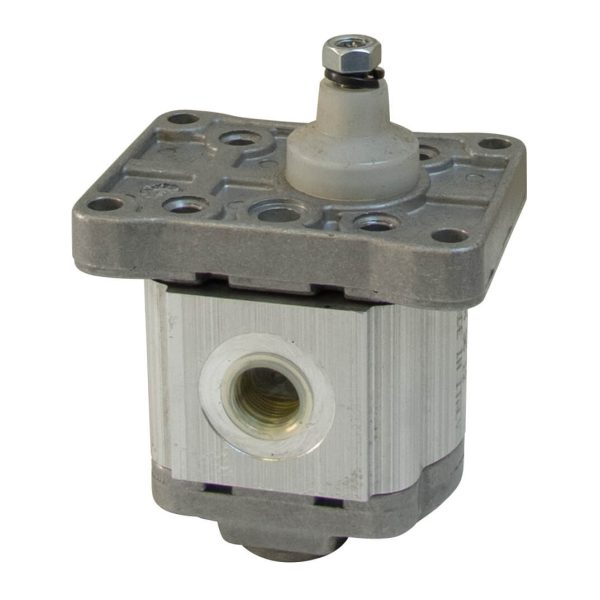
Hydraulic Pumps
Hydrastore is a leading UK partner to all the major hydraulic pump manufacturers.
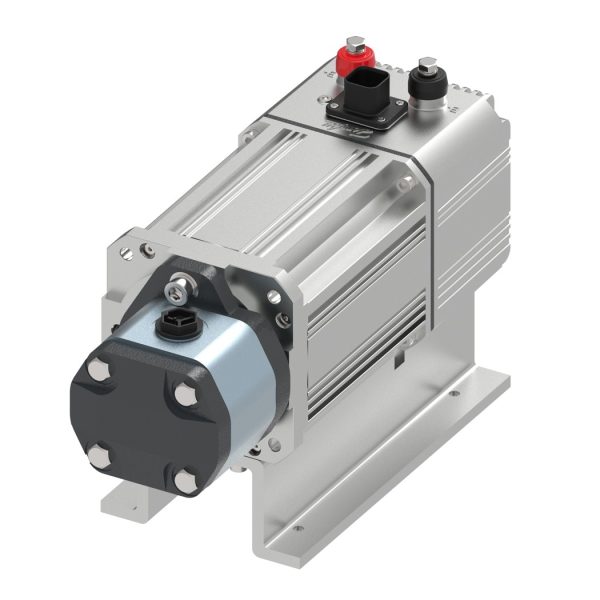
Our range of pumps offers reliable fluid delivery for hydraulic systems, covering gear, piston, vane, and hand pump options to suit a wide variety of flow and pressure requirements.
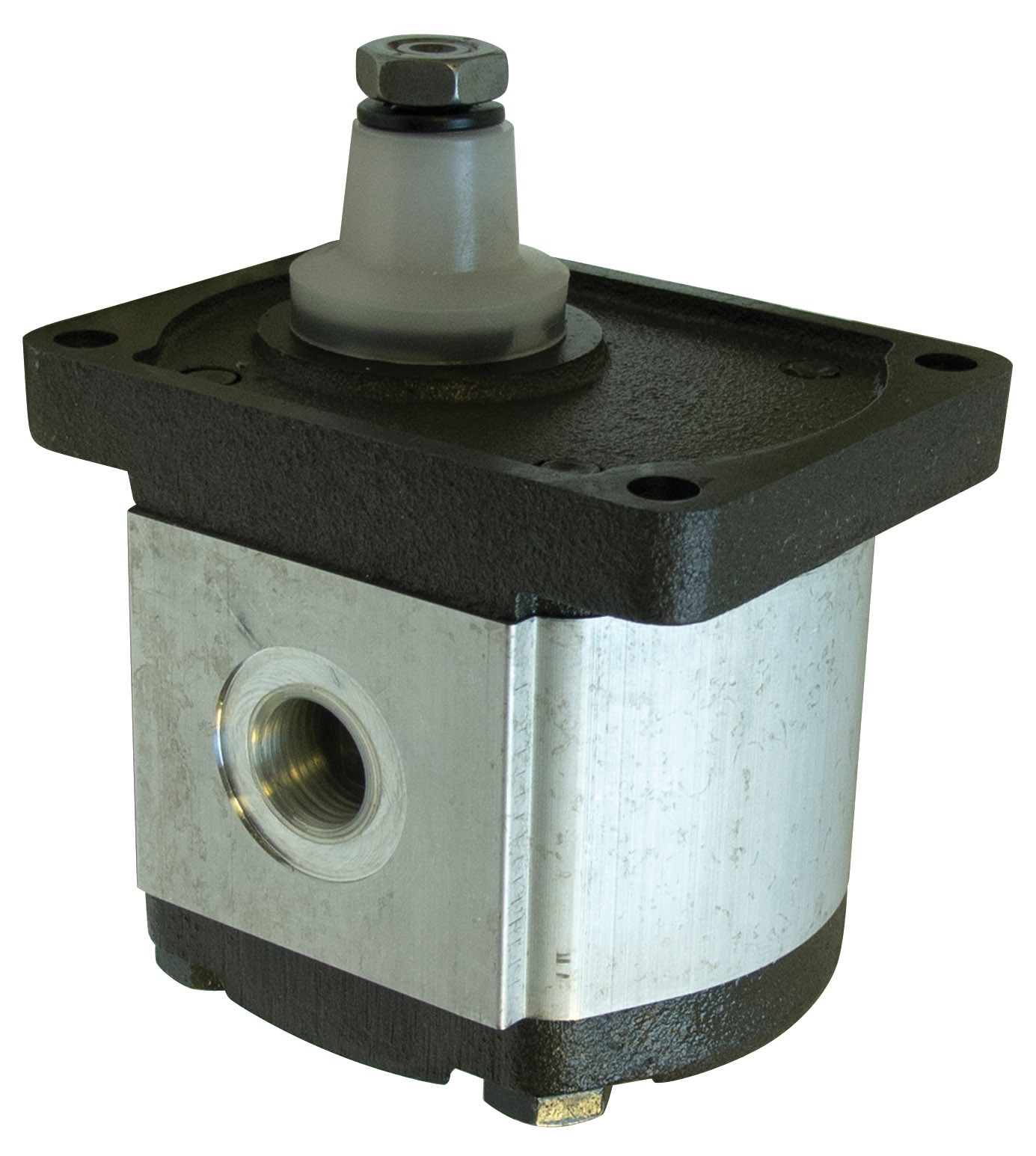
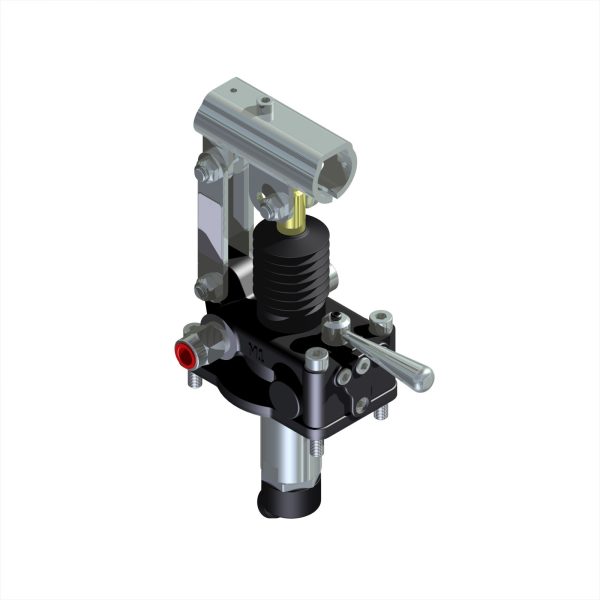
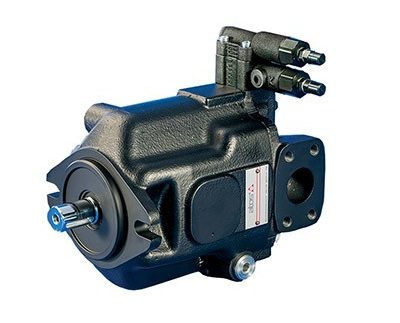
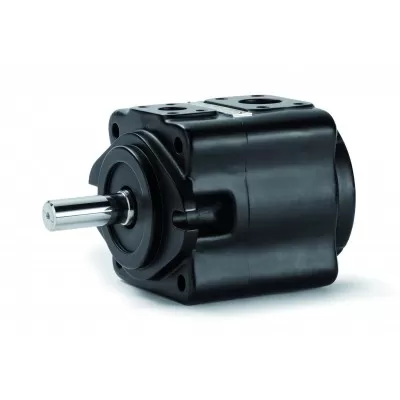
Hydrastore’s Range Of Hydraulic Pumps
We are official distributors to many of the leading hydraulic component manufacturers. Hydrastore holds an extensive and wide ranging stock of hydraulic pumps based in the UK and ready to be dispatched the same day. Find which brand you need like Ronzio, Kawasaki and Danfoss or search for the type of pump required for your project.
A hydraulic pump plays a crucial role in a hydraulic system by transforming mechanical power into hydraulic energy. It pressurises the fluid and channels it throughout the system, creating the necessary force to drive machinery that operates on hydraulic power.
This guide will lay out the different types of hydraulic pumps, how they operate, their common applications, and important maintenance tips for ensuring optimal performance.
How Hydraulic Pumps Operate
Hydraulic pumps work by creating a vacuum at the pump inlet. This vacuum pulls fluid from a reservoir into the inlet line. Mechanical action then pressurises this fluid, forcing it through the outlet port. This pressurised fluid travels through the hydraulic system to power cylinders, motors, and other hydraulic components.
The most common type of pumps are positive-displacement pumps. They trap a fixed amount of fluid and force it into the system providing a consistent flow. Positive-displacement pumps are efficient and used in high-pressure applications where precision and reliability are important.
Types of Hydraulic Pumps
1. Gear Pumps
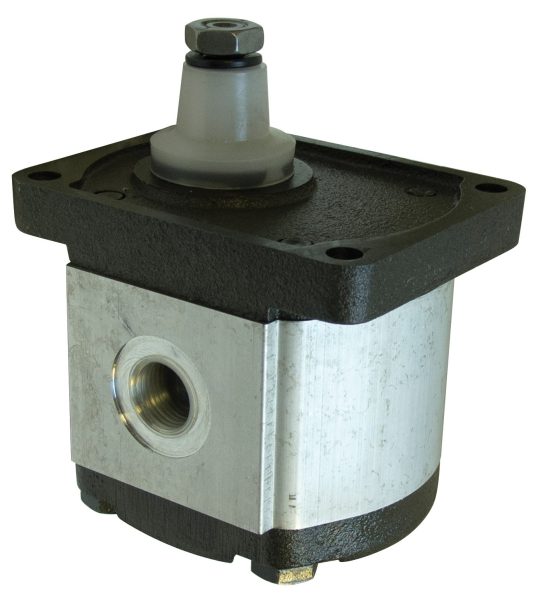
Hydraulic Gear pumps have a basic design and robust construction. They work by trapping fluid between gear teeth and the pump housing, then pushing it out through the discharge port as the gears rotate. You’ll more than likely find these pumps in industrial machinery, agricultural equipment, and lubrication systems.
There are two main types:
- External Gear Pumps: Use two meshing gears that spin in opposite ways, creating a consistent flow of fluid. They are easily repaired and maintained and are used in low pressure tasks.
- Internal Gear Pumps: Have a small gear inside a bigger one, offering smooth operation and low noise levels.
2. Vane Pumps
Vane pumps have moveable vanes within a rotor that pressurises fluid. The vanes extend and retract as the rotor spins, creating a vacuum that draws fluid in. The fluid is then forced into the hydraulic system through the outlet.
A big advantage of vane pumps is their quiet operation and smooth fluid flow. This makes them ideal for jobs that need consistent pressure. Vane pumps are commonly found in steering systems, hydraulic presses, and plastic injection moulding machines.
3. Piston Pumps
Piston pumps deliver high power and efficiency. They are useful for high-pressure applications such as in heavy-duty equipment like excavators, construction machinery, and hydraulic presses where high power and variable displacement are essential. These pumps work by using multiple pistons moving in a cylinder block, pressurising the fluid with each stroke.
The two types of piston pumps:
- Axial Piston Pumps: Pistons sit parallel to the pump’s drive shaft, good for high-speed and high-pressure applications. Often use a swashplate design for variable displacement capabilities.
- Radial Piston Pumps: Pistons arranged radially around the shaft, perfect for low-speed, high-torque applications.
4. Screw Pumps
Screw pumps have two or more screws that fit together to push fluid through the pump casing. As the screws turn, they form a tight seal to stop leaks, allowing a smooth, continuous flow of fluid.
The prime benefits of these pumps is their self-priming nature meaning they can handle a wide range of viscosities. This feature makes them suitable for both hydraulic and non-hydraulic applications. Screw pumps are usually designed into lubrication systems, fuel injection systems, and marine applications.
Fixed Displacement vs. Variable Displacement Pumps
Hydraulic pumps come in two types: fixed displacement and variable displacement, each fitting different uses:
- Fixed Displacement Pumps: Perfect for tasks that need a constant flow as they deliver a consistent volume of fluid per revolution. They’re simple to operate and cost-effective.
- Variable Displacement Pumps: Change how much fluid they shift based on what the system needs. Versatile and efficient, these pumps are ideal for tasks requiring precision control of pressure and flow.
Key Components and Design Features of Hydraulic Pumps
- Inlet and Outlet Ports: Fluid comes through the inlet port and leaves through the outlet port after being pressurised.
- Valve and Cylinder: Pumps often have valves to control flow and cylinders to direct pistons or vanes during use.
- Shaft and Rotor: A drive shaft sends power from outside, spinning the rotor and other parts to move the fluid.
- Swashplate (in axial piston pumps): This angled plate in some pumps controls piston movements, allowing for variable displacement. The angle of the swashplate determines the fluid volume per stroke.
Common Applications of Hydraulic Pumps
Hydraulic pumps are used across all four corners of industry. Each system requiring specific types of pumps based on the application’s power and pressure needs. Here are some uses you might see:
- Construction Equipment: Hydraulic pumps power cranes, bulldozers, and excavators. These machines rely on high-power pumps to provide the force needed for lifting and digging.
- Industrial Machinery: In manufacturing, hydraulic pumps drive presses, moulding machines, and conveyors. Pumps with variable displacement help maintain consistent pressure for precise operations.
- Automotive Systems: Vane pumps are often found in power steering systems due to their smooth operation, while gear pumps are used for lubrication and cooling systems.
Hydraulic Pump Maintenance and Repair
Hydraulic pumps need to be well maintained to run efficiently. Here’s some key advice:
- Monitor Hydraulic Fluid: Always use the right fluid and keep checking it for contamination. Contaminated fluid could cause damage to internal components, affecting efficiency and increasing the chance of downtime and repair costs.
- Inspect Seals and Fittings: A loss of pressure and reduced system performance can come from a leak. Regularly check for a tight seal on seals, gaskets, and connections.
- Check for Wear on Rotating Parts: Things like the rotor, drive shaft, and gear teeth wear over time. Replacing them quickly keeps the pump’s volumetric efficiency.
- Keep the Pump Clean: Dirt may get in the pump from the inlet line. Keeping the area around the pump really clean stops problems.
Good, regular care helps avoid problems and lengthens the life of your hydraulic pump, helping it work at maximum efficiency.
Selecting the Right Hydraulic Pump
When picking a hydraulic pump, think about these factors:
- Application Requirements: Figure out the pressure and flow you really require for the job. Variable displacement pumps suit tasks needing precision. Fixed displacement pumps fit jobs that need a steady flow.
- Pump Type and Design: Assess the operating conditions and select the appropriate pump. For example, gear pumps are economical for low-pressure tasks, while piston pumps provide high power for demanding applications.
- System Compatibility: Make sure the pump is compatible with the existing hydraulic system and any other components, such as valves, motors, or cylinders.
- Reliability and Maintenance Needs: Choose a pump that aligns with your maintenance capabilities. High-quality pumps from reputable manufacturers like Atos or Danfoss can offer durability and reliable customer service.
- Hydraulic Centre and Repair Services: Working with a trusted hydraulic centre can provide access to repair services, spare parts, and technical support, ensuring your pump operates efficiently over time.
Hydraulic Pumps in the UK at Hydrastore
As official partners and distributors to many trusted brands you can be sure to expect the very best selection of hydraulic pumps available. Based in the UK and with a vast range of stock across our depots, Hydrastore is the key to your hydraulic components and systems needs.
Don’t hesitate to contact our team of experienced professionals if you need any help.