





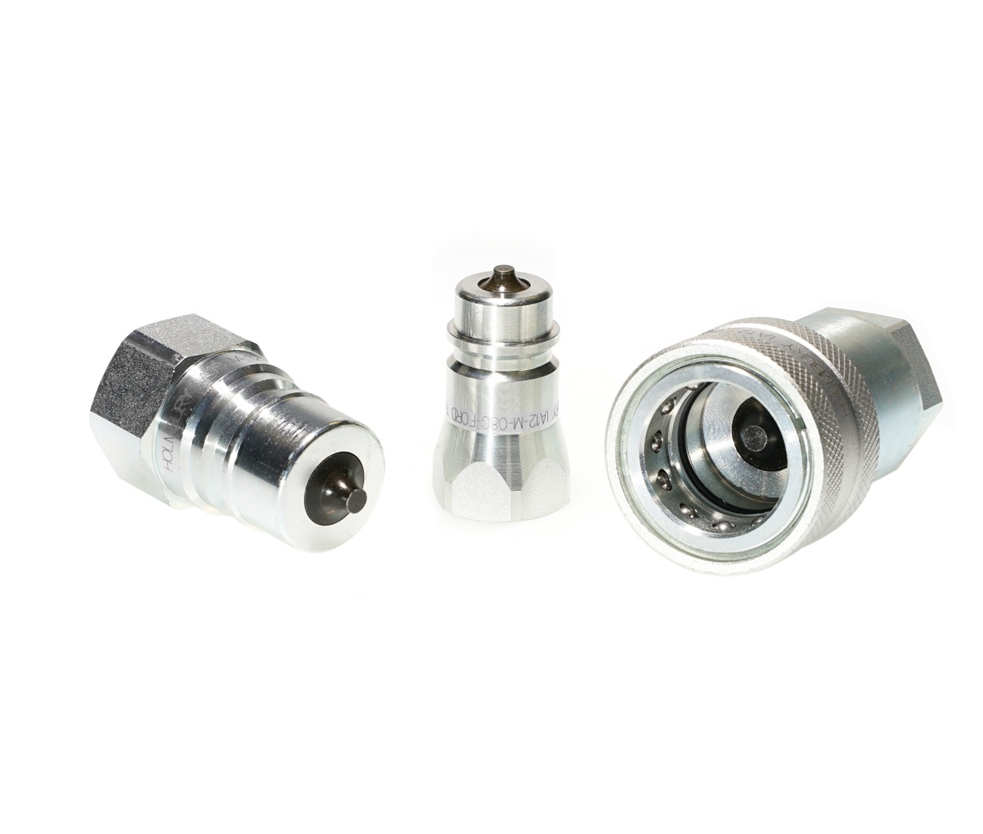
Hydraulic Hose Fittings – Secure Connections for Reliable Performance
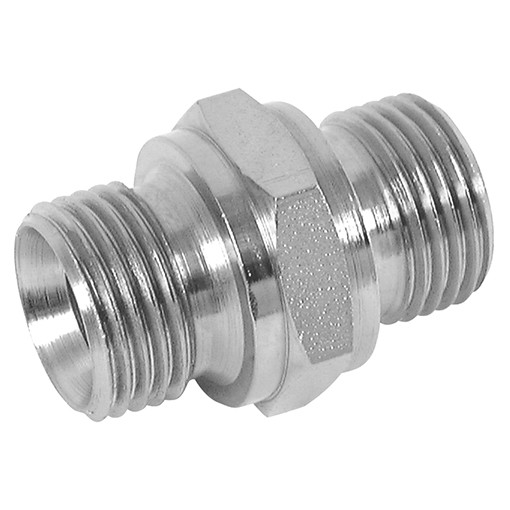
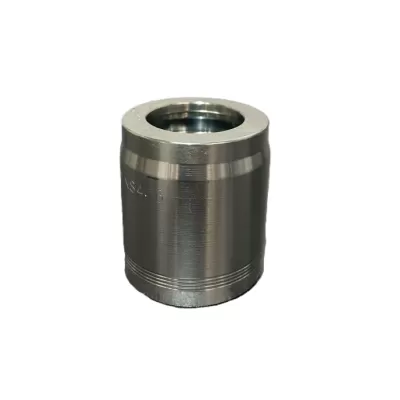
What Are Hydraulic Hose Fittings?
The parts connecting hoses to pumps, valves and all other components in a system are hydraulic hose fittings. If you want your system to run smoothly and efficiently, then you’ll need to spec some decent fittings. Well-made fittings stop leaks, pressure drops and even system failures. Make sure your machinery is reliable and has proper hose fittings.
You’ll need to think about thread type, pressure rating and material. It’s not as simple as finding one that fits.
Types of Hydraulic Hose Fittings
Avoid loss in performance due to leaks and pressure loss by choosing the right thread type, sealing method and application.
Common Types of Hydraulic Fittings
| Fitting Type | Use Case | Key Benefit |
| Straight fittings | Direct connections | Simple and compact |
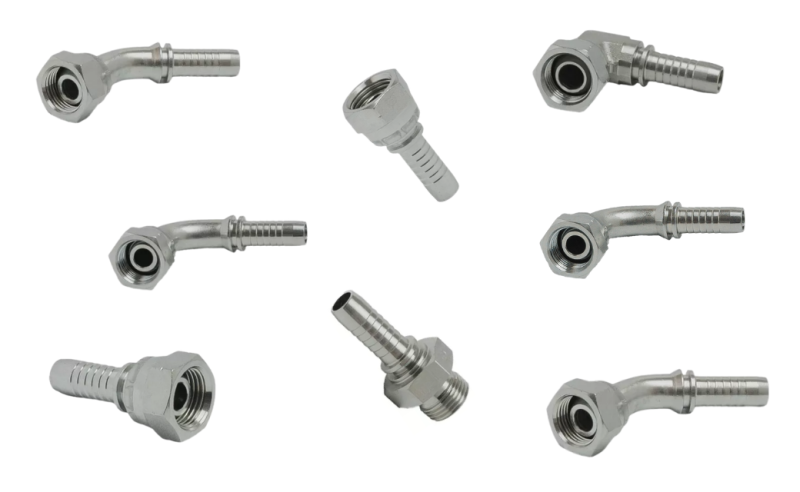
| 45° & 90° elbow fittings | Tight spaces | Reduces hose strain |
| Swivel fittings | Moving parts | Prevents twisting and wear |
| Banjo bolts | High-pressure fuel & brake lines | Secure and space-saving |
| Flange fittings | Heavy-duty equipment | Withstands high pressure |
Thread Standards & Compatibility
Different regions and industries use different thread standards. Using the wrong one can cause sealing failures and equipment damage.
| Thread Type | Region | Compatibility | Common Use |
| BSPP (Parallel) | UK/EU | Requires O-ring for sealing | Hydraulic & pneumatic systems |
| BSPT (Tapered) | UK/EU | Not interchangeable with BSPP | High-pressure hydraulic lines |
| JIC (37° Flare) | Global | Compatible with SAE 37° | High-pressure applications |
| NPT (Tapered) | North America | Not compatible with BSP | General hydraulic connections |
Using adaptors can sometimes allow cross-compatibility, but it’s best to match fittings to the correct standard for leak-free operation.
How to Choose the Right Hydraulic Hose Fitting
Finding the right fitting for your system depends on a few key factors:
- System Pressure (PSI) – Ensure the fitting is rated for your system’s maximum PSI.
- Material – Use stainless steel for corrosive environments, carbon steel for strength, or brass for low-pressure applications.
- Thread Standard – Match your fittings to the correct BSP, JIC, SAE, or NPT specification.
- Temperature & Fluid Type – Some fittings work better with high-temperature or aggressive fluids.
Fittings for Different Industries
Some hydraulic fittings are better suited for specific uses. Here’s a quick breakdown:
- Manufacturing – Compression fittings for precision fluid control in automation & robotics.
- Construction – High-pressure fittings for excavators, cranes, and earth-moving equipment.
- Agriculture – Swivel fittings for irrigation and hydraulic sprayers.
- Transport & Logistics – Flange fittings for hydraulic brakes and trailers.
A common mistake in hydraulic systems is using the wrong fitting type for the job. Before installation, always check the pressure rating, material durability, and thread compatibility.
Pressure Ratings & Material Strength
| Material | Max Pressure (PSI) | Best Use Case |
| Carbon Steel | Up to 6000 PSI | Industrial and construction equipment |
| Stainless Steel | Up to 10,000 PSI | Corrosive or extreme environments |
| Brass | Up to 3000 PSI | Low-pressure applications |
A fitting that isn’t rated for the system’s maximum pressure will fail, leading to leaks and costly downtime.
Common Installation Mistakes & How to Avoid Them
Even high-quality fittings can fail if installed incorrectly. Here’s what to watch out for:
- Over-tightening – Damages threads and prevents proper sealing. Always tighten fittings to the manufacturer’s torque specifications.
- Mixing thread types – BSP and NPT threads are not interchangeable and will leak.
- Using the wrong sealant – PTFE tape should not be used on hydraulic fittings, as it can break off and block the system.
- Ignoring pressure ratings – A fitting rated for 3,000 PSI will fail in a 5,000 PSI system. Always check specifications before installation.
Best Practices for Installing Hydraulic Fittings
- Use O-Rings & Seals – Prevents fluid leaks and maintains pressure.
- Match Thread Standards – BSP, JIC, SAE, and NPT are not interchangeable.
- Avoid Over-Tightening – Excess force can damage threads and sealing surfaces.
- Choose the Right Material – Stainless steel lasts longer in harsh environments.
- Inspect Regularly – Catching worn-out fittings early prevents system failures.
Frequently Asked Questions (FAQ)
Q: How do I know which hydraulic fitting to use?
A: Check your system’s pressure rating, fluid type, and thread standard. JIC and SAE fittings are common in industrial use, while BSP fittings are standard in the UK and Europe.
Q: Can I mix BSP and NPT threads?
A: No. BSP and NPT have different thread angles and sealing methods, and using them together will cause leaks and thread damage.
Q: What’s the best way to prevent leaks in hydraulic fittings?
A: Use O-rings and flared fittings rather than thread sealant. Ensure fittings are hand-tight before applying proper torque.
Find the Right Hydraulic Hose Fittings
We supply a full range of hydraulic hose fittings that are built to meet SAE, BSP, and JIC standards. Whether you need elbow, swivel, straight, or high-pressure fittings, our products ensure leak-proof performance and long-term durability.
- Available in carbon steel, stainless steel, and brass
- Rated for high-pressure systems
- Expert support to help you find the right fitting
Need help choosing the right fitting? Contact us today for expert guidance and high-quality fittings designed for your industry’s needs.