






Hydraulic Pump Efficiency: How to Measure, Calculate & Improve Performance
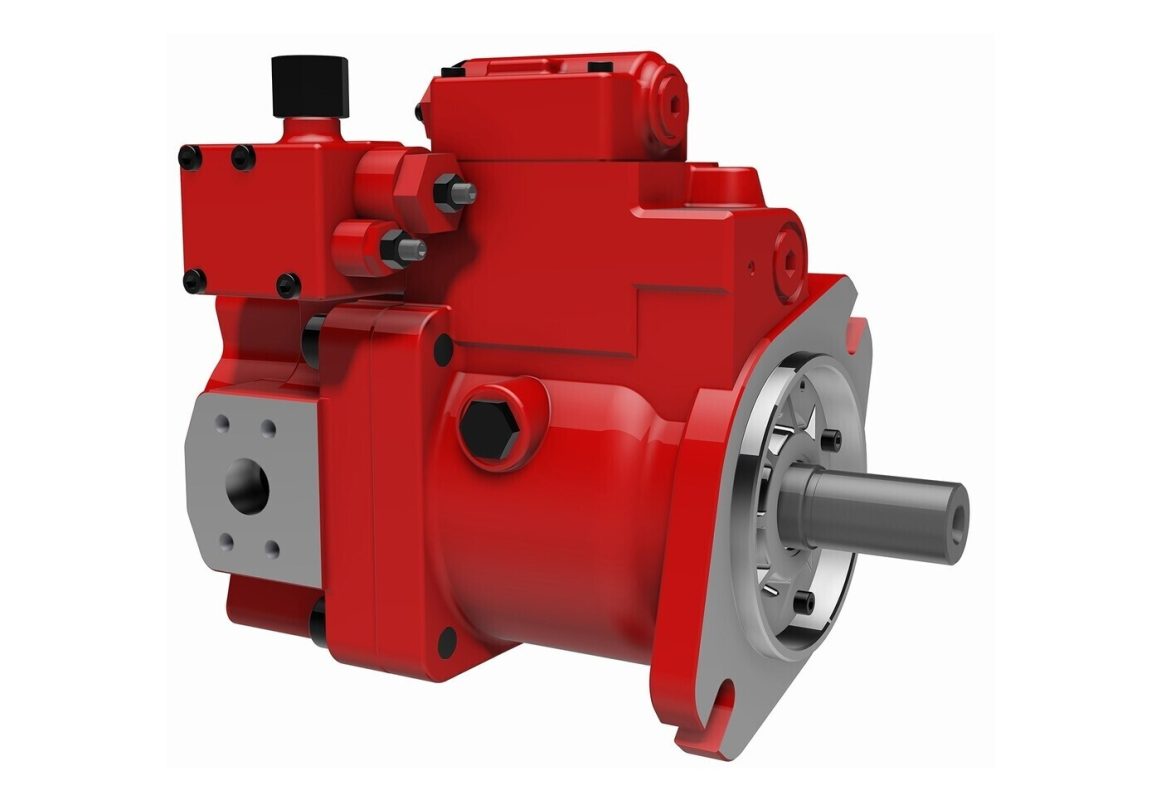
If you’re running a hydraulic system and starting to notice sluggish performance, extra heat, or using more energy than usual – your hydraulic pump efficiency is likely on the decline. Whether it’s a gear pump, piston pump, or variable displacement pump, every drop in efficiency impacts output, energy use, and long-term reliability.
In this guide, we’ll explain how to calculate volumetric efficiency, identify what causes losses, and show you how to get the most from your pump and motor setup-whether it’s a mobile system or an industrial unit.
What Is Hydraulic Pump Efficiency?
Hydraulic pumps convert mechanical energy into hydraulic energy by moving hydraulic fluid under pressure. Pump efficiency is a measure of how effectively that conversion happens. There are two main types:
- Volumetric efficiency – how well the pump maintains flow
- Overall efficiency – a combined measure that includes mechanical losses
Both are essential when evaluating hydraulic pump and motor efficiency, especially in high-load applications where flow rate and pressure drop matter.
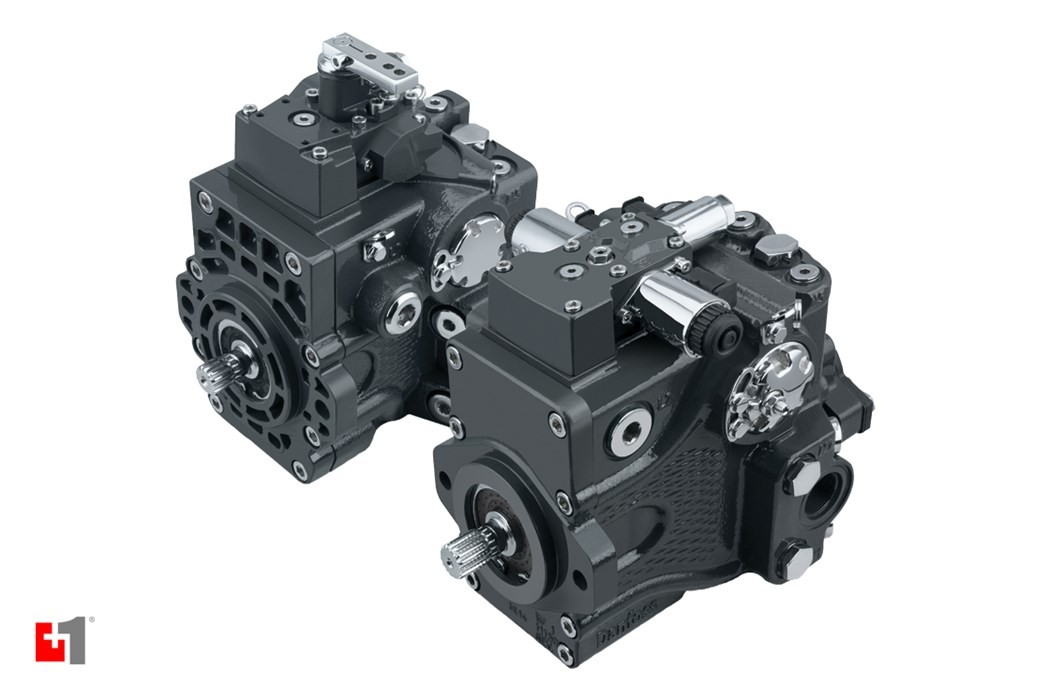
Volumetric Efficiency: How It Works
Volumetric efficiency refers to how much of the theoretical flow a pump actually delivers at a given pressure.
Formula
Volumetric Efficiency = (Actual Flow ÷ Theoretical Flow) × 100
For example:
- Pump has a displacement of 80cc/rev
- Speed: 1500 rpm
- Theoretical flow = 120 L/min
- Measured using a flow meter: 102 L/min
- Volumetric efficiency = 85%
This drop in efficiency is often caused by internal leakage due to worn seals or increased clearances, especially in older piston pumps and gear pumps.
Calculating the Volumetric Efficiency of a Variable Displacement Pump
With a variable displacement pump, it’s not just about wear – system design, control strategy, and fluid viscosity all affect efficiency.
When displacement is altered, so is the flow delivered by the pump. To calculate efficiency:
- Identify actual flow at current displacement
- Confirm theoretical flow from specs
- Apply the standard formula
If theoretical flow is 100 and you measure actual flow of 90, your pump’s efficiency is 90%. A sharp drop in flow may indicate internal leakage and fluid breakdown.
How to Calculate Hydraulic Pump Efficiency
To get the overall efficiency, you need:
- Flow meter to measure actual output
- Pressure gauge for system pressure
- Drive power reading in kW
Formula:
Overall Efficiency = Hydraulic Power Output / Mechanical Power Input
Where:
- Hydraulic power = (Flow × Pressure) ÷ 600
- Mechanical input = shaft power supplied
You can quantify the pump and compare actual efficiency against native efficiency specs from the manufacturer.
What Affects a Pump’s Efficiency Over Time?
Even the most efficient pump will degrade over time. Here’s what typically causes it:
- Increase in internal leakage
- Worn bearings affecting torque
- Contaminated hydraulic fluid
- Fluid too thin or too thick (wrong viscosity)
- Pumps run too close to relief settings
This is why tracking efficiency over time in a condition-based maintenance environment makes sense. It helps to identify bearing life or deteriorating efficiency issues before failure.
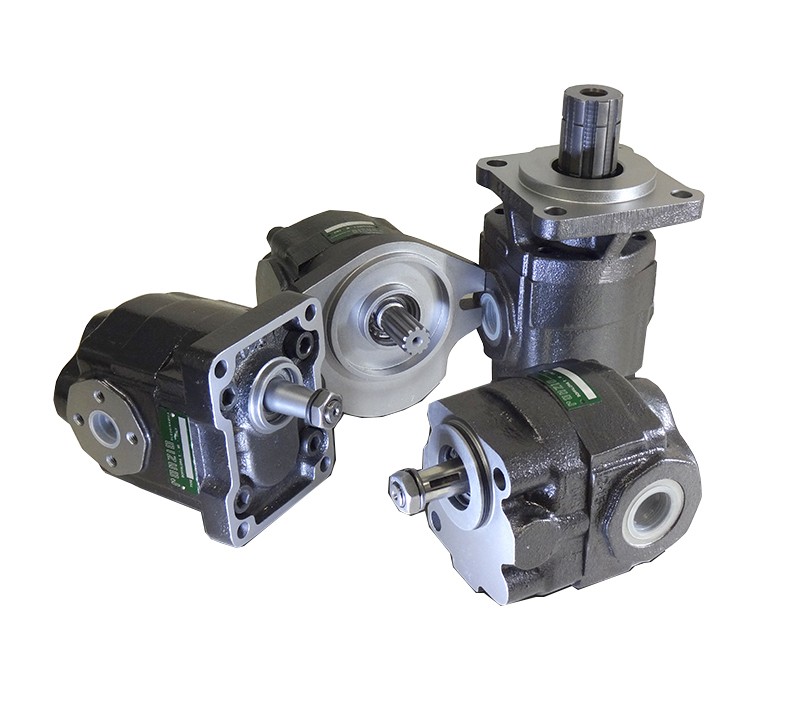
Hydraulic Pumps and Motors: Efficiency Link
Every hydraulic system component contributes to efficiency – but the pump or motor is usually the most significant player.
If the pump can convert energy with volumetric efficiency of 92%, but the motor efficiency ratings are poor, you’re losing power in the system.
This is especially critical in closed-loop systems where hydraulic energy is turned back into mechanical work.
Hydraulic Pump Types: Efficiency Differences
Piston Pumps and Motors
- Higher pressure rating
- Better efficiency rating (typically 90-95%)
- Sensitive to internal leakage from wear
External Gear Pumps
- Simpler, lower cost
- Efficiency typically 80-88%
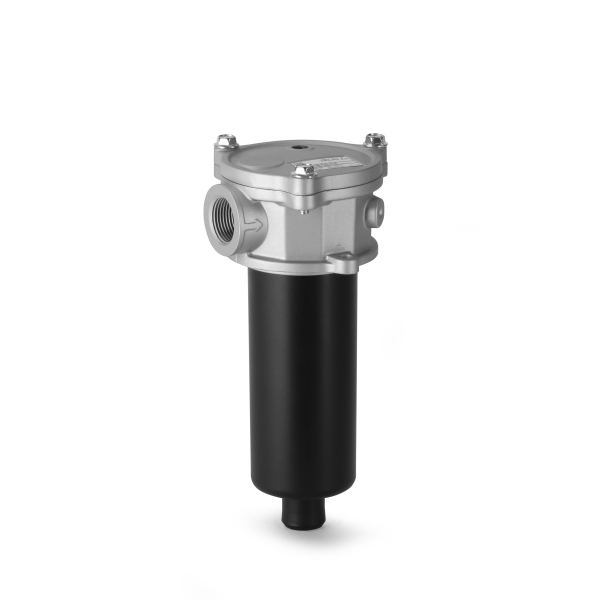
- A system with gear pumps needs good filtration to prevent wear
Bent Axis Piston Pump
- Used in high-demand mobile or industrial systems
- Compact with high power density
- High efficiency of a variable displacement pump if correctly tuned
How System Design Impacts Pump Efficiency
Pump flow and flow and pressure must be matched to system demands. Oversized pumps generate heat; undersized pumps cause starvation.
Key things to consider:
- Match the required drive power to the application
- Avoid unnecessary pressure drop across valves
- Monitor flow delivered by a pump regularly
- Account for fluid viscosity changes in hot or cold weather
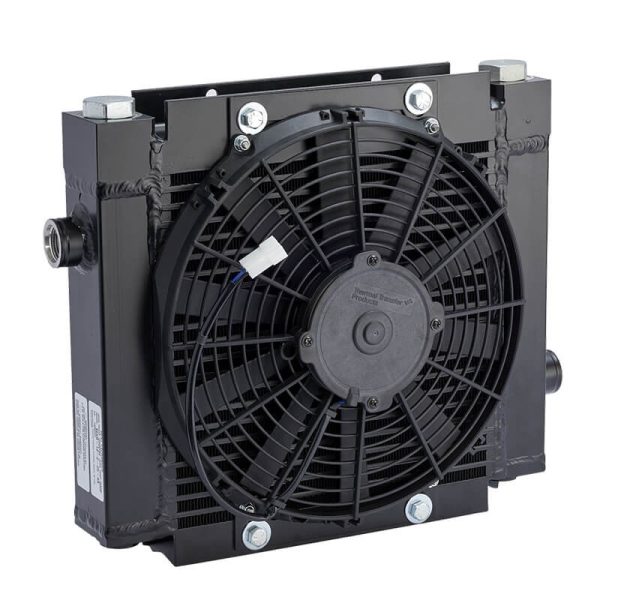
- Don’t let motors require a bigger heat exchanger due to inefficiency upstream
How to Improve Hydraulic Pump Efficiency
Here’s how to increase efficiency – without needing to replace the entire pump:
- Monitor pump at a given pressure to detect performance drop
- Use flow meters and gauges during service intervals
- Choose the right hydraulic fluid with proper viscosity index
- Check for internal leakage in piston pumps and motors
- Apply condition-based maintenance
- Track actual flow vs theoretical flow over time
Common Mistakes That Kill Pump Efficiency
These errors show up a lot in field maintenance logs:
- Running a pump had an actual flow far below spec without checking why
- Using the wrong oil and causing efficiency of 85 to drop to 70s
- Oversizing the pump – drive power for an external gear pump too high
- Failing to test whether the pump was delivering flow consistently
- Assuming that motor efficiency ratings is essential only for electric motors
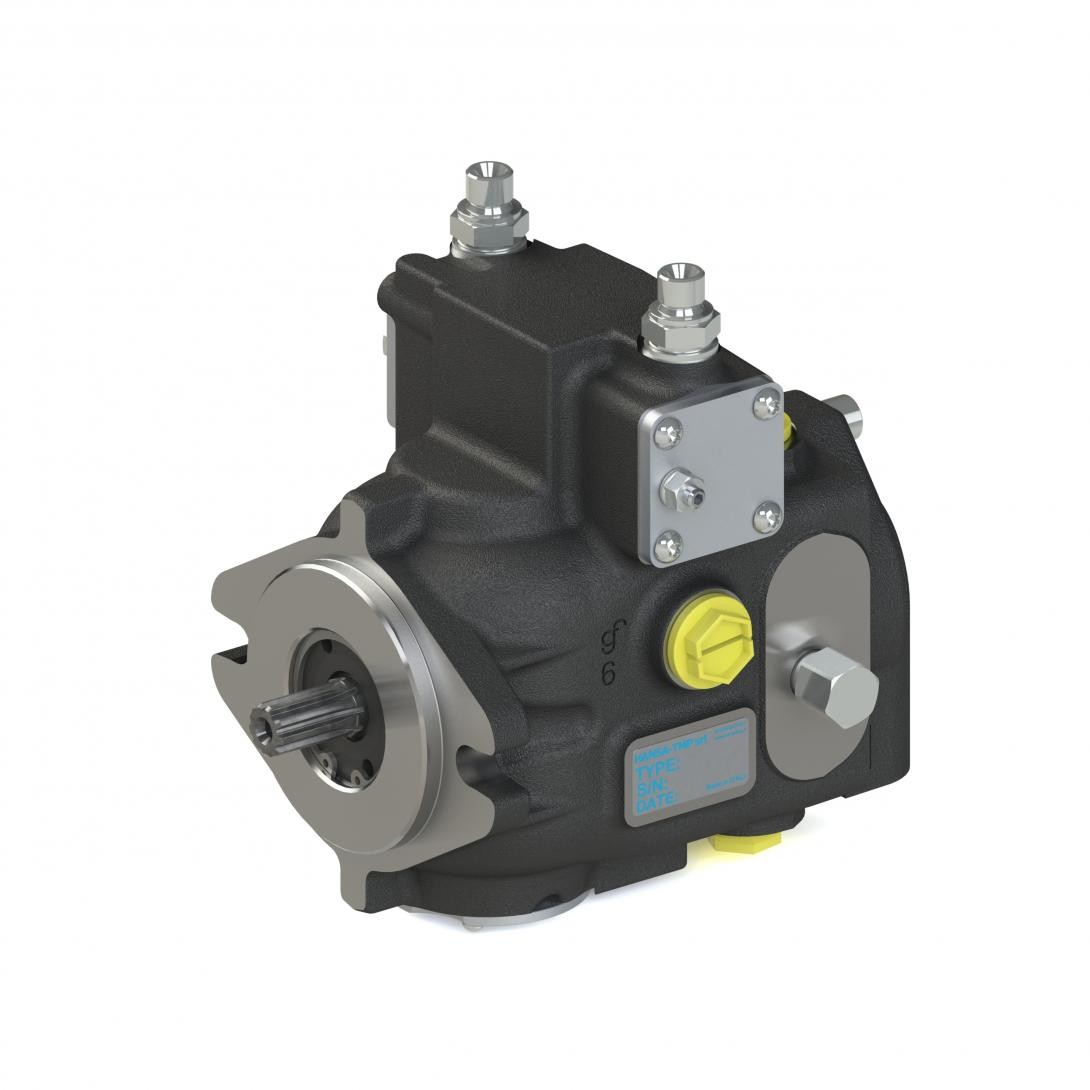
FAQs: Understanding Hydraulic Pump Efficiency
What does it mean if a pump has a volumetric efficiency below 85%?
Internal wear is likely a result of leakage or deteriorating hydraulic fluid condition-time to inspect.
How do I calculate the efficiency of a hydraulic pump?
Use actual vs theoretical flow, or divide hydraulic output power by shaft input power.
What’s a typical efficiency rating for a gear pump?
Usually between 80-88%. Higher when new, but drops faster than a piston pump.
What happens to efficiency in high-pressure systems?
If system pressure is too high, internal leakage increases. Efficiency drops, and more heat is generated.
Conclusion
Understanding hydraulic pump efficiency is the difference between running a smooth, energy-smart system and increased operational expenses as a result of poor design and late maintenance. Whether it’s calculating the volumetric efficiency of a variable unit or working out if your pump at a given pressure is still delivering, it pays to stay ahead of the game.
Efficiency isn’t just a number – it’s a clear window into the health of your entire hydraulic system.