






Troubleshooting hydraulic circuits: common problems and solutions
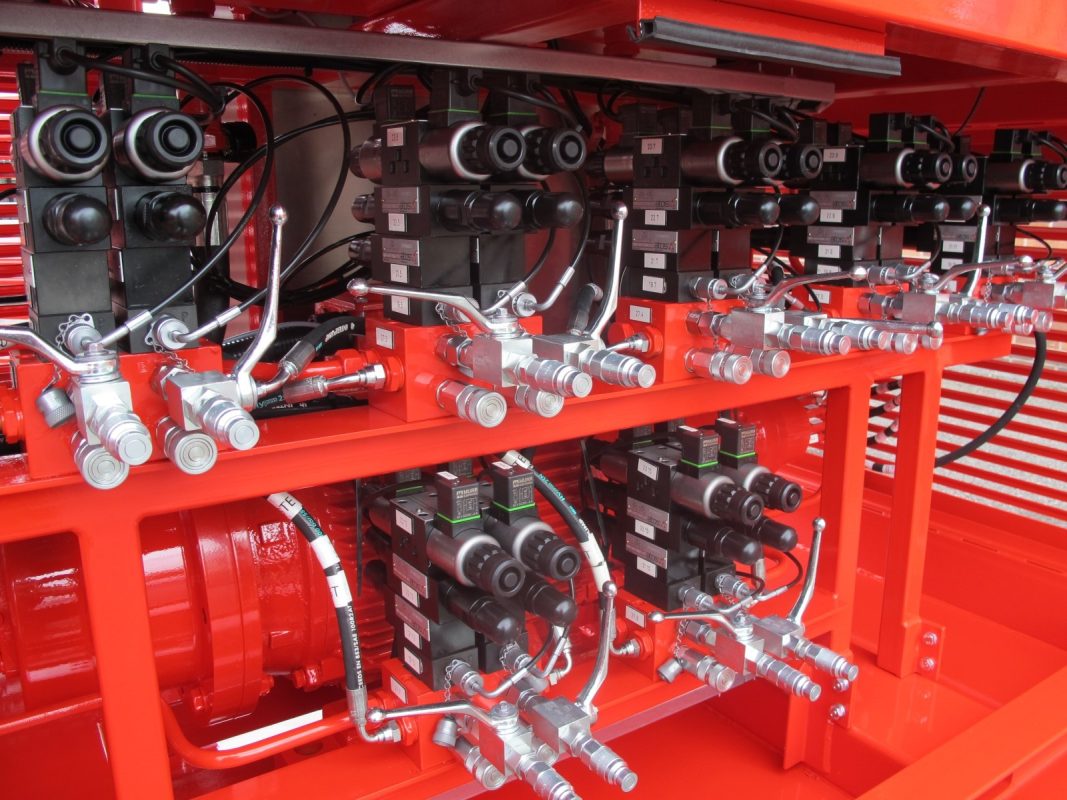
A hydraulic system relies on fluid flow and pressure to generate power. When issues arise, they can cause low pressure or flow, excessive heat, erratic operation, or total system failure. Understanding common hydraulic system problems and how to troubleshoot a hydraulic circuit helps keep equipment running smoothly and reduces downtime.
This guide covers common causes of hydraulic failure, signs of problems, and best practices for hydraulic system troubleshooting.
Common Hydraulic System Problems
Hydraulic systems can fail for many reasons, but the most common causes include:
- Low or high pressure – Can be caused by a faulty relief valve, pump issues, or leaks.
- Hydraulic fluid contamination – Dirt, air, or water in the hydraulic fluid affects performance.
- Excessive heat – Caused by poor heat dissipation, cavitation, or internal leakage.
- Slow or erratic operation – Often linked to worn components, low fluid levels, or aeration.
- Leaks and pressure loss – Hydraulic leakage reduces efficiency and can damage components.
Knowing how to troubleshoot a hydraulic system can help identify the root cause of these issues.
Hydraulic Troubleshooting: Key Steps
1. Check the Hydraulic Fluid
The quality and condition of hydraulic fluid is critical for system performance. Issues to watch for:
- Low fluid levels – Check the reservoir fluid level and refill if necessary.
- Fluid contamination – A milky appearance suggests water contamination, while dark or thick fluid may indicate dirt or oxidation.
- Incorrect viscosity – Using the correct hydraulic fluid ensures proper pressure and temperature regulation.
Best practice: Clean or replace fluid regularly to prevent contamination and extend component lifespan.
2. Inspect for Leaks
Internal leakage or external leaks can cause hydraulic power loss and reduced flow. Check:
- Pump shaft seals, hoses, and fittings for visible leakage.
- The inlet side of the pump for air contamination (bubbles in fluid).
- Valves or actuators for worn seals that allow fluid bypass.
Solution: Replace worn components and tighten loose fittings to prevent leaks.
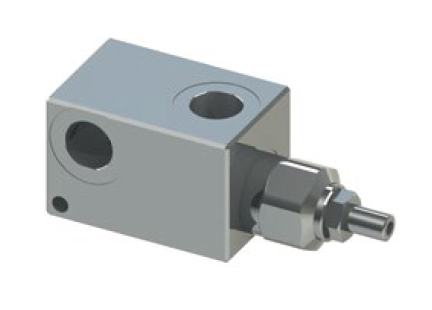
3. Test the Pump and Relief Valve
The pump and relief valve play a critical role in pressure regulation.
- Check the pump for low flow (gallons per minute) output, which can indicate wear or cavitation.
- Relief valve failure can cause high pressure spikes or low system pressure.
- Listen for unusual noises or excessive heat.
Best practice: If the pump is failing, replace as necessary to restore hydraulic power. Be mindful of contamination.
4. Monitor Temperature and Heat Dissipation
Overheating can lead to hydraulic system failure. Causes include:
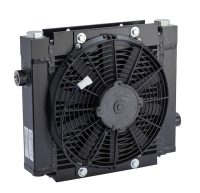
- Clogged filters or heat exchangers restricting cooling air passing through the system.
- Excessive displacement in variable displacement pumps causing unnecessary heat build-up.
- Poor system maintenance, allowing dirt and sludge to reduce heat dissipation.
Solution: Regularly check the oil, clean filters, and ensure cooling systems are working properly.

5. Inspect Pressure and Flow Performance
Pressure and flow issues often result in erratic operation or poor performance.
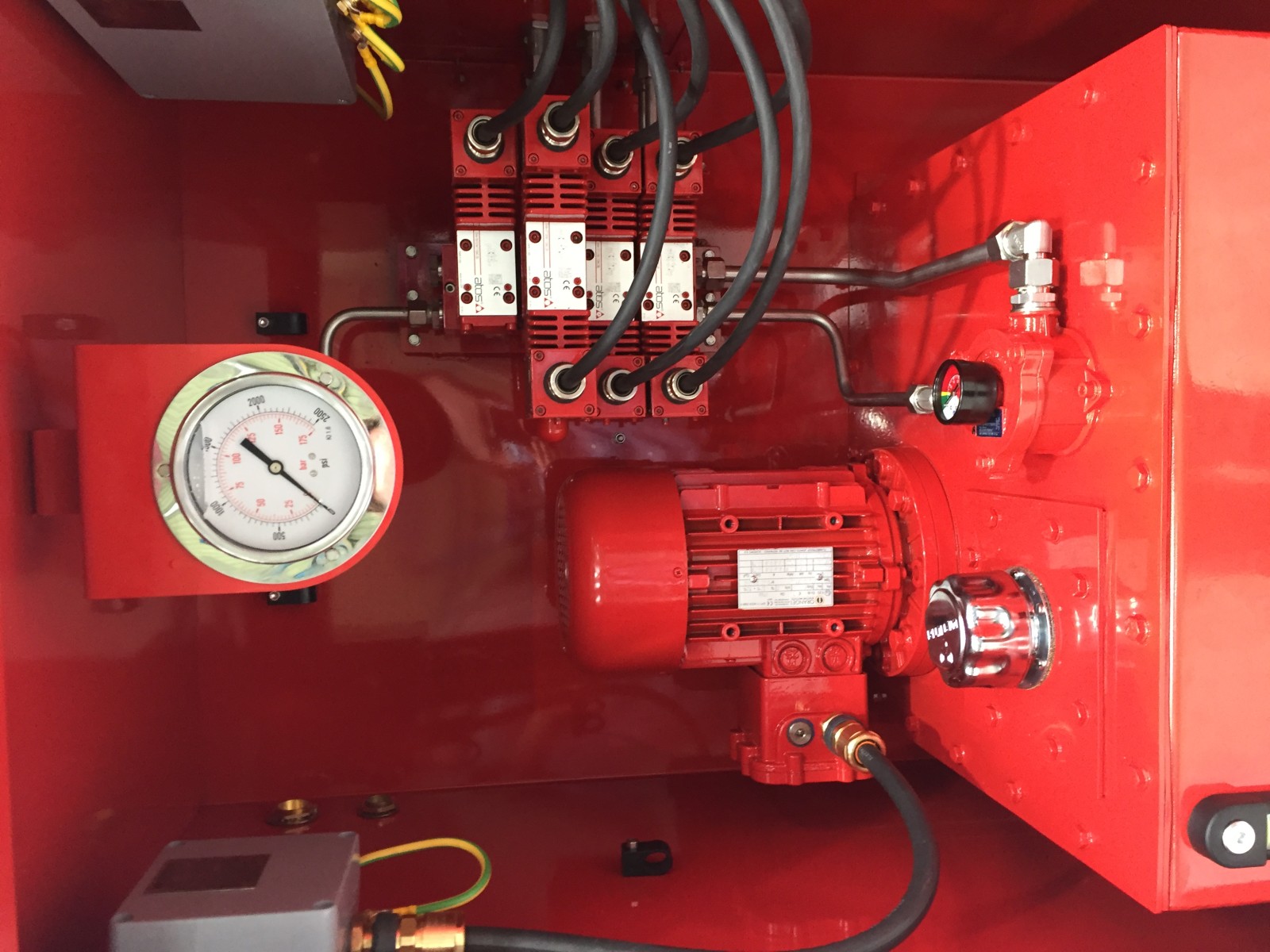
- Compare system pressure bar /psi (pounds per square inch) with specifications to detect low or high pressure.
- Check for restrictions in inlet lines, as a poorly designed inlet can cause reduced flow.
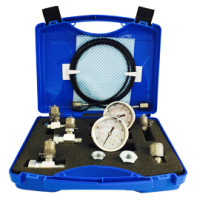
Best practice: Use digital diagnostics equipment and apply best practise when troubleshooting.
Preventive Maintenance for Hydraulic Systems
Regular system maintenance helps prevent hydraulic failure.
- Keep hydraulic fluid clean – Remove contamination and use the correct viscosity.
- Check and replace filters – A clogged filter can restrict flow and damage components.
- Inspect pumps, valves, and actuators – Replace worn components before they fail.
- Monitor fluid temperature – Dissipate heat efficiently to avoid excessive heat build-up.
Final Thoughts
Hydraulic troubleshooting is essential for identifying common hydraulic system problems before they lead to major failures. By following best practices such as checking hydraulic fluid, monitoring system pressure, and maintaining components, you can ensure reliable performance and extend equipment life.
A well-maintained hydraulic circuit will operate at peak efficiency, reducing downtime and repair costs in industrial and mobile applications.