









Hydraulic Power Pack Maintenance Real-World Checklist
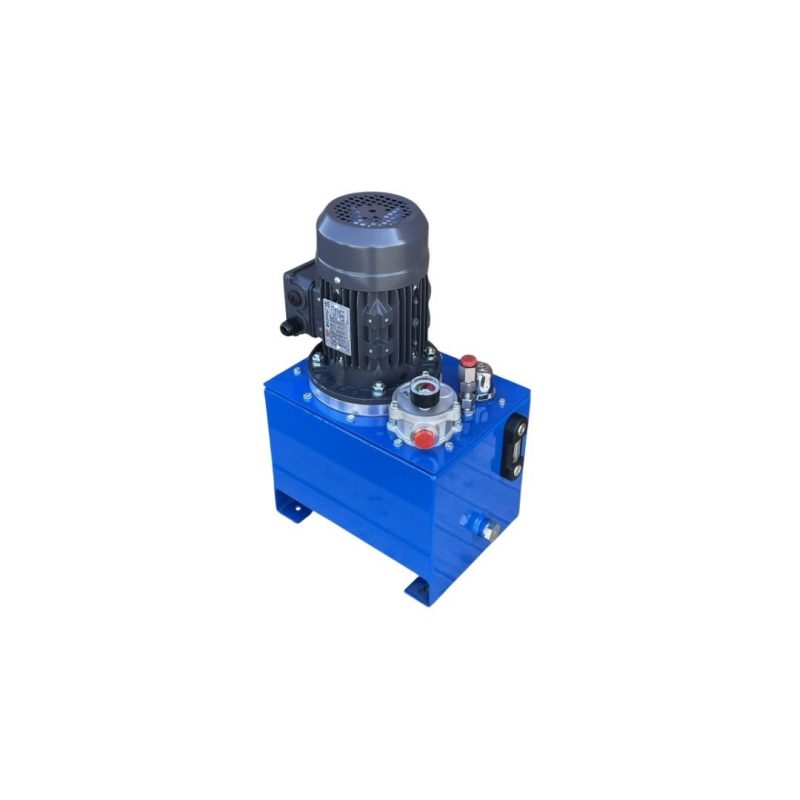
When did someone last check the fluid level in your hydraulic power pack? Are the filters still clean or badly clogged? If you’re not certain then you’re not alone.
Hydraulic systems don’t always fail fast – they fail quietly. And when they go, the downtime, cost of repair, and safety hazards can bring your operation to a standstill. That’s why hydraulic power pack maintenance isn’t optional – it’s the difference between reliable uptime and a costly breakdown waiting to happen.
Here’s how to build a realistic maintenance routine that fits your setup, protects your equipment, and keeps everything running smoothly and efficiently.
Why Hydraulic Power Pack Maintenance Is Key
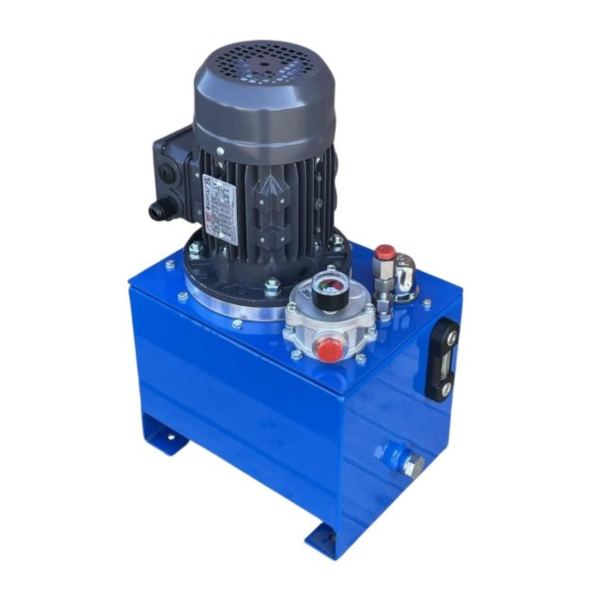
Every hydraulic system depends on the power pack to operate efficiently. Whether it’s running presses, lifts, or industrial machinery, the power pack delivers hydraulic pressure, flow, and control – and if it’s not maintained, the entire system suffers.
Proper hydraulic maintenance:
- Prevents contamination
- Keeps hydraulic fluid at safe operating conditions
- Reduces risk of seal failure, leaks, and overheating
- Extends lifespan of critical hydraulic components
- Minimises downtime and avoids costly repairs

Hydraulic Power Pack Maintenance Checklist
Let’s get straight into it. Here’s a maintenance checklist your team can use weekly, monthly, and annually.
Weekly Checks:
- Check hydraulic fluid levels – top up if low using proper hydraulic oil
- Inspect hoses and fittings for leaks, cracks, or wear
- Monitor system temperature – look for signs of overheating
- Wipe down surfaces to improve cleanliness and spot early faults
- Check for vibration or odd noise from pumps or motors
Monthly Tasks:
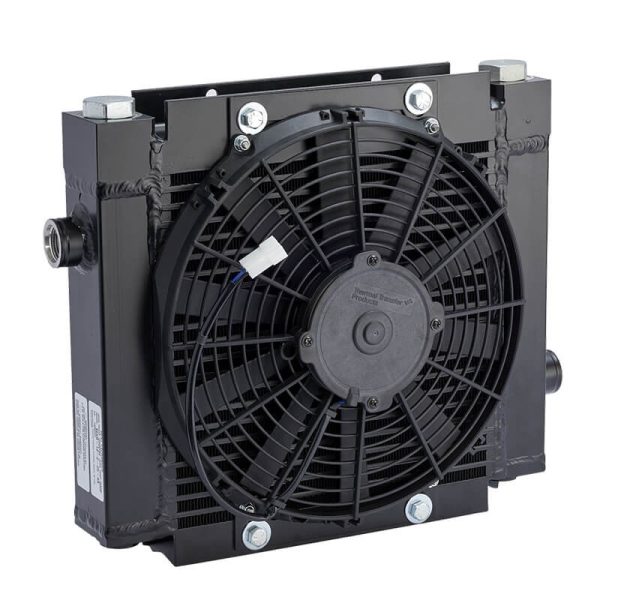
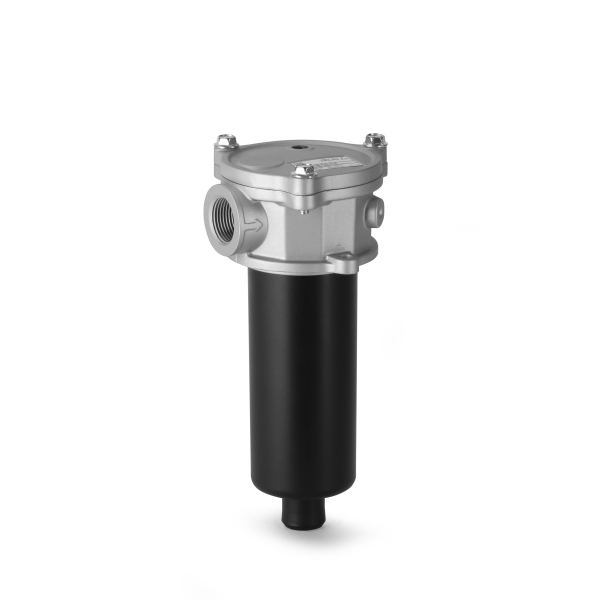
- Clean or replace filters if restricted
- Inspect the reservoir for contaminant build-up
- Test for fluid viscosity and contamination of hydraulic oil
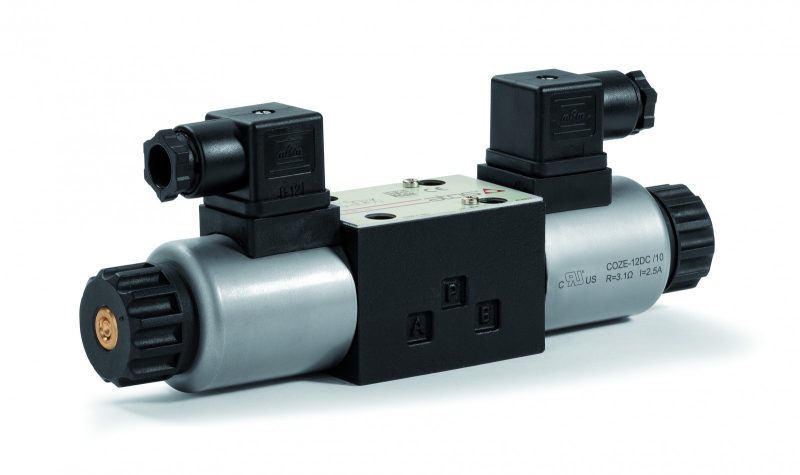
- Inspect valves and relief valve settings for drift or blockage
- Look for signs of wear on seals and contact points
Annual Service:
- Full oil change – especially in high-duty systems
- Flush the hydraulic system if contamination is found
- Test and record system pressure and flow
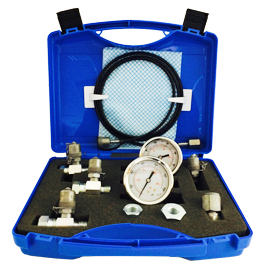
- Use an infrared thermometer to check hotspots in real-time
- Log findings in a service book or digital maintenance system
Tips to Keep Your Power Pack Running at Peak Efficiency
Simple, practical, and often overlooked:
- Always follow specific maintenance instructions from the OEM
- Use proper tools when checking or adjusting a relief valve
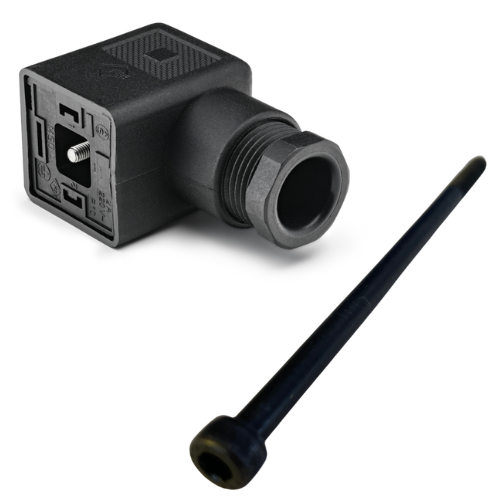
- Check the condition of electrical wiring and sensor connections
- Replace worn-out components early – don’t wait for failure
- Maintain fluid cleanliness – dirt kills pumps faster than hours do
- Only use approved hydraulic fluid to maintain system integrity
- Always monitor fluid levels and system components after repairs
Common Signs of a Power Pack That Needs Maintenance
Watch for these early warnings:
- Low fluid levels with no visible leak
- Slow or erratic actuator response
- Discoloured or foamy hydraulic fluid
- Unusual noise during operation (cavitation or aeration)
- Frequent system shutdowns or malfunctions
- Hydraulic hoses showing signs of ageing or swelling
These issues are all signs that the system is either already compromised or on the brink. Don’t wait.

Why Preventative Maintenance Pays Off
Preventive maintenance helps maintain system efficiency, extends service life, and reduces the need for emergency call-outs. Done right, it lowers the total cost of ownership and gives you predictable uptime – which is critical in any industrial or mobile application.
For example, a simple fluid change and filter replacement could prevent hydraulic system failures that cost thousands in downtime.
Wrap-Up: Maintain It or Replace It
Your hydraulic power pack is one of the most important working components of a hydraulic setup. If you perform maintenance regularly and follow a maintenance schedule, your system will reward you with reliability, efficiency, and a longer life.
Skip it? Well – don’t be surprised when a seal bursts, fluid overheats, or the whole thing grinds to a halt.
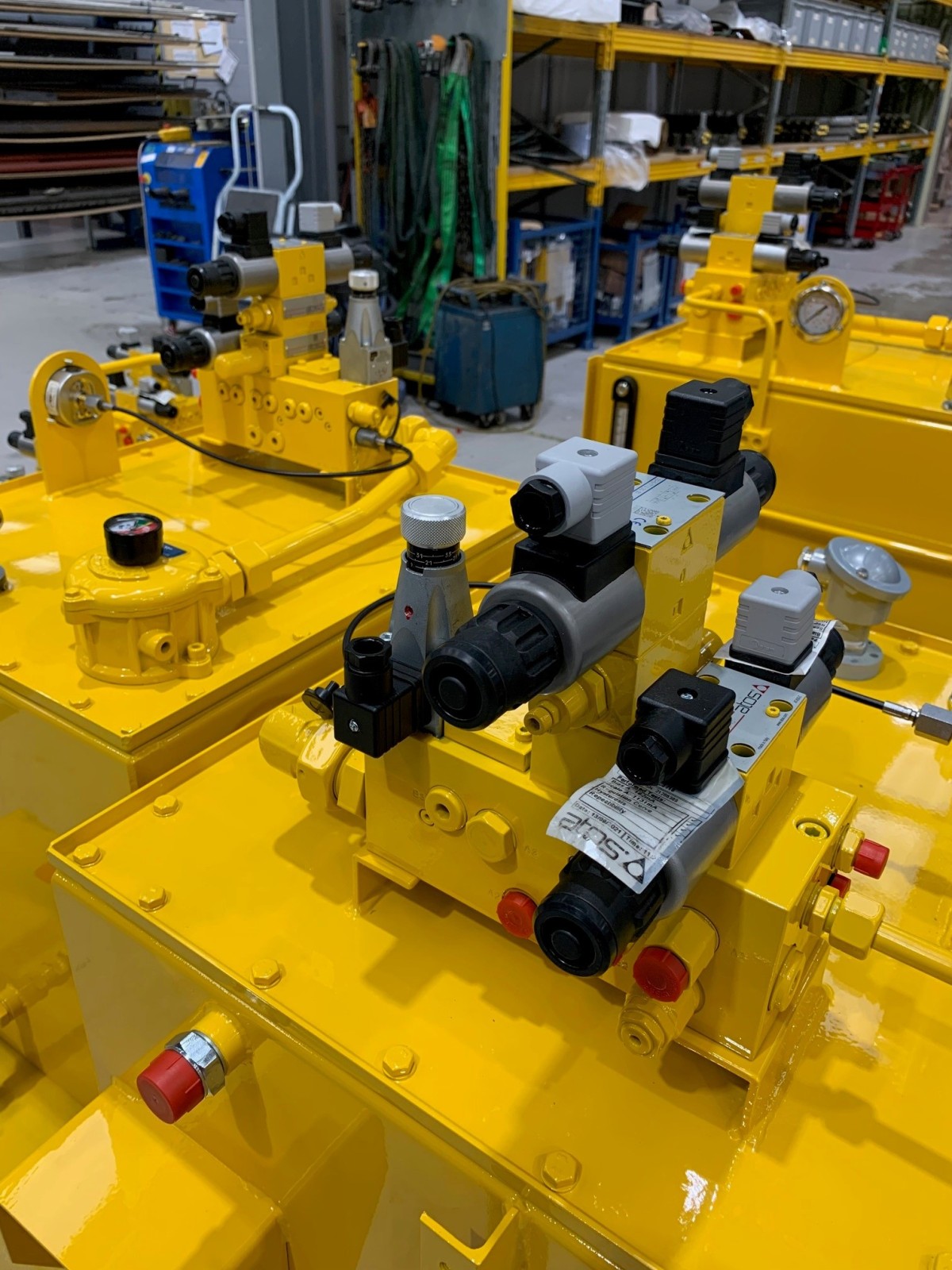
Need a Service Engineer or Support?
Hydrastore offers expert advice, parts, and support to keep your hydraulic system running like it should. Whether you’re setting up a new maintenance routine or responding to a fault, we’re here to help.