









Hydraulic Flow Rate Formula Keeping Systems Moving
Getting the hydraulic flow rate formula right is what keeps systems running how they’re meant to. If the fluid flow’s off, nothing else will work properly. Cylinders move too slow, motors stall, and you burn energy without getting much work done. So let’s examine what’s needed to ensure your calculations are accurate.
What Is Hydraulic Flow Rate?
In short, flow rate is how much hydraulic fluid moves through the system per minute. It’s measured in litres per minute (L/min). Every time a pump runs, it pushes a volume of fluid through the pipes, valves, and components. That volume per minute is your Q – your flow rate.
Understanding Q is the first step in every hydraulic system calculation. Whether you’re sizing a motor, matching a cylinder, or trying to pin down hydraulic pump efficiency. Flow rate is the key.
Hydraulic Flow Rate, The Formula
Here’s your basic starting point:
Q = A × V
Where:
Q = Flow rate (litres per minute)
A = Pipe’s internal cross-sectional area (mm²)
V = Fluid velocity (mm/min)
That’s the maths. However, most engineers want the version they can plug into when checking actual pump or cylinder performance.
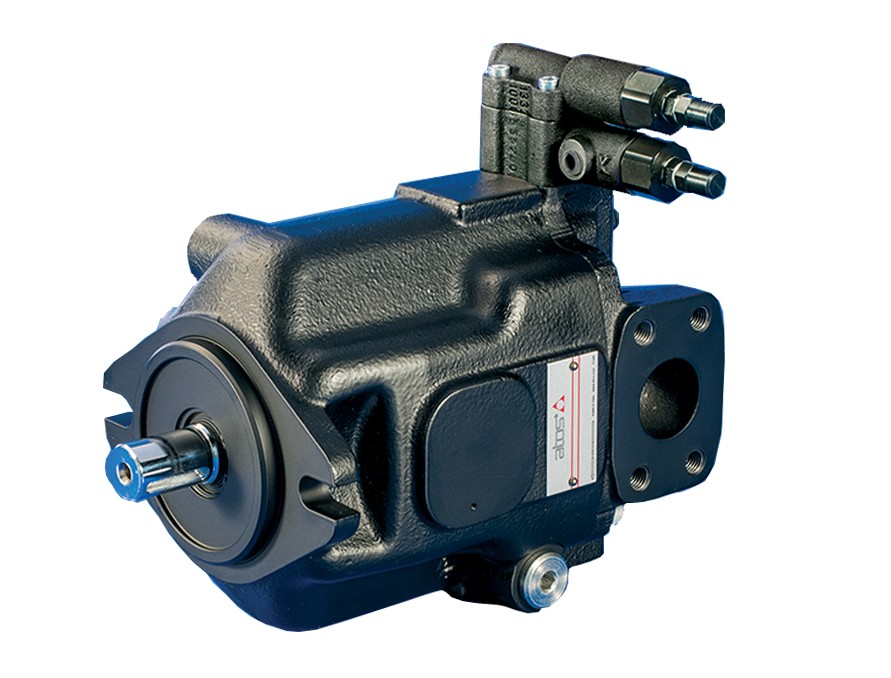
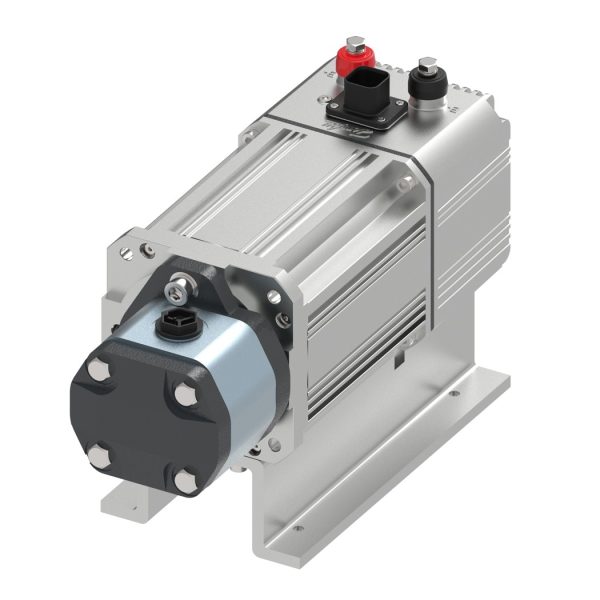
Hydraulic Pump Flow Rate Formula
If you’re calculating pump output flow, here’s the one you’re after:
Q = (Displacement × RPM) / 1000
Where:
- Displacement = pump volume per rev in cm³
- RPM = pump speed
- Q = flow rate in L/min
Example:
Pump displacement = 40 cm³/rev
Pump speed = 1800 RPM
Q = (40 × 1800) / 1000 = 72 L/min
That’s your theoretical flow. Now adjust for volumetric efficiency. Maybe 85–95%, depending on age, wear, and fluid viscosity.
Real-World Adjustments
- Pump efficiency: If wear’s taken its toll, actual flow rate drops.
- Fluid: Cold oil moves slower. High-viscosity fluids reduce velocity.
- Hydraulic pipes: Undersized or long runs slow things down.
- System pressure: Backpressure can throttle flow.
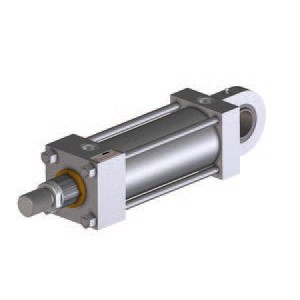
- Cylinder size: Larger piston surface needs more fluid to move the same distance.
Every hydraulic calculation should take these into account. Miss one, and you’ll under- or overspec something critical.
Motor Flow Rate Requirements
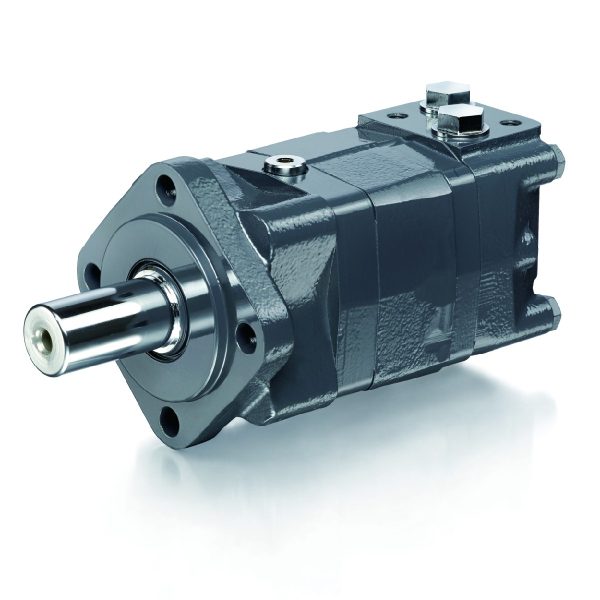
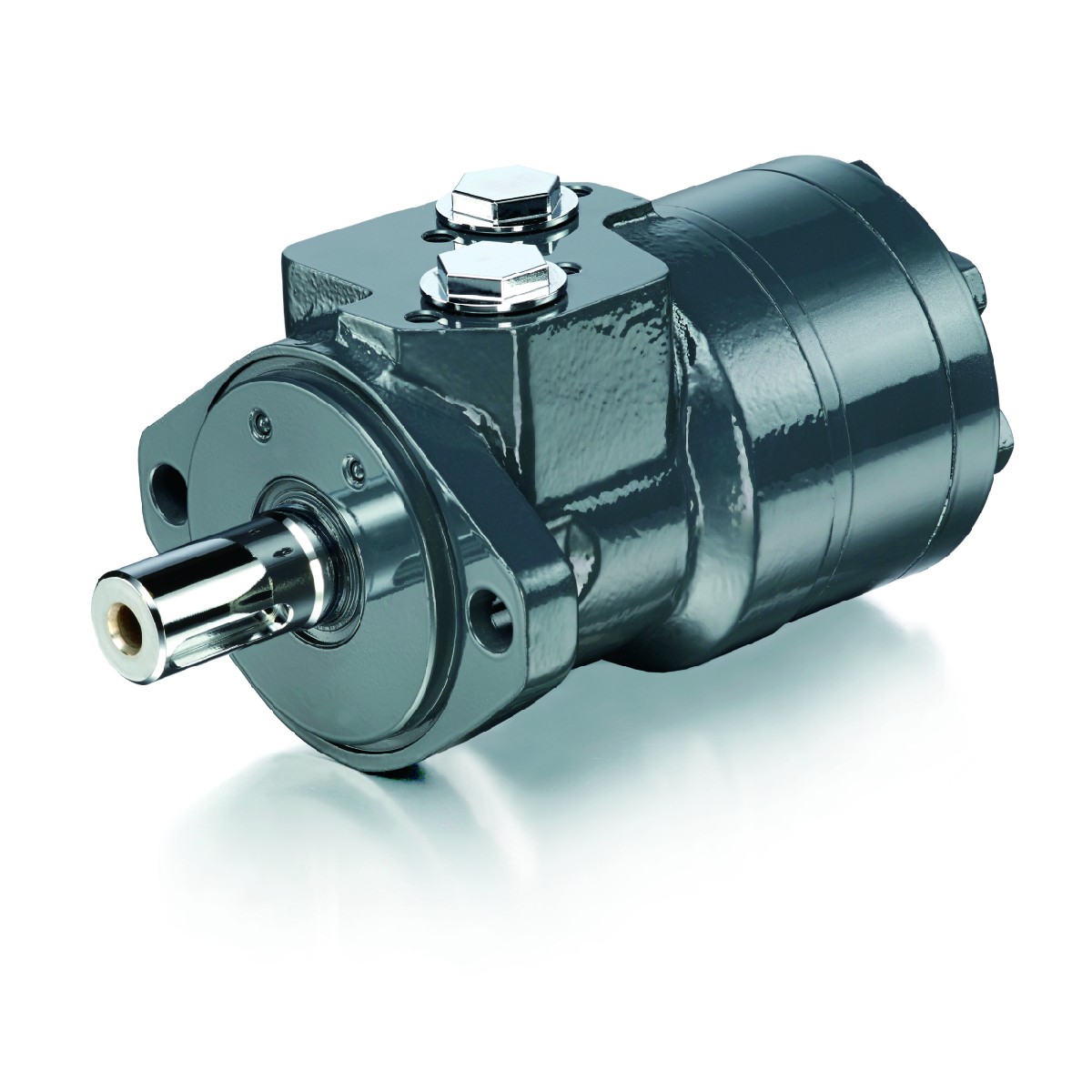
Hydraulic motors convert flow into speed. You’ll also need to factor in pressure to calculate torque. That means:
- Flow affects motor RPM
- Pressure affects motor torque
So, when you’re pairing motors and pumps, match them based on both flow and pressure, not just one or the other.
Quick Reference Calculator Use
There are online hydraulic flow rate calculators, including our own, but always sanity-check with actual figures. Use real-world hydraulic formulas, not guesswork. A tiny error in RPM or displacement can lead to poor efficiency or poor motor performance.
Common Mistakes
- Ignoring volumetric efficiency
- Forgetting to check fluid viscosity
- Oversizing the pump without matching pipes, valves, and components
- Neglecting system pressure losses
FAQs
Can I use a bigger pump for more flow?
Yes, but you’ll also need bigger pipework, a larger reservoir, and potentially different valves.
Does flow rate affect pressure?
Not directly. But pressure drops with restrictions, and higher flow through a narrow pipe equals higher pressure loss.
Is theoretical flow rate enough?
No. Always adjust for real-world losses and inefficiencies.
If you’re working on hydraulic system calculations, the hydraulic flow rate formula should always be your first checkpoint. It sits at the heart of good system design and will deliver solid performance.