







Reservoir Sizing Mini-Guide + Downloadable Checklist
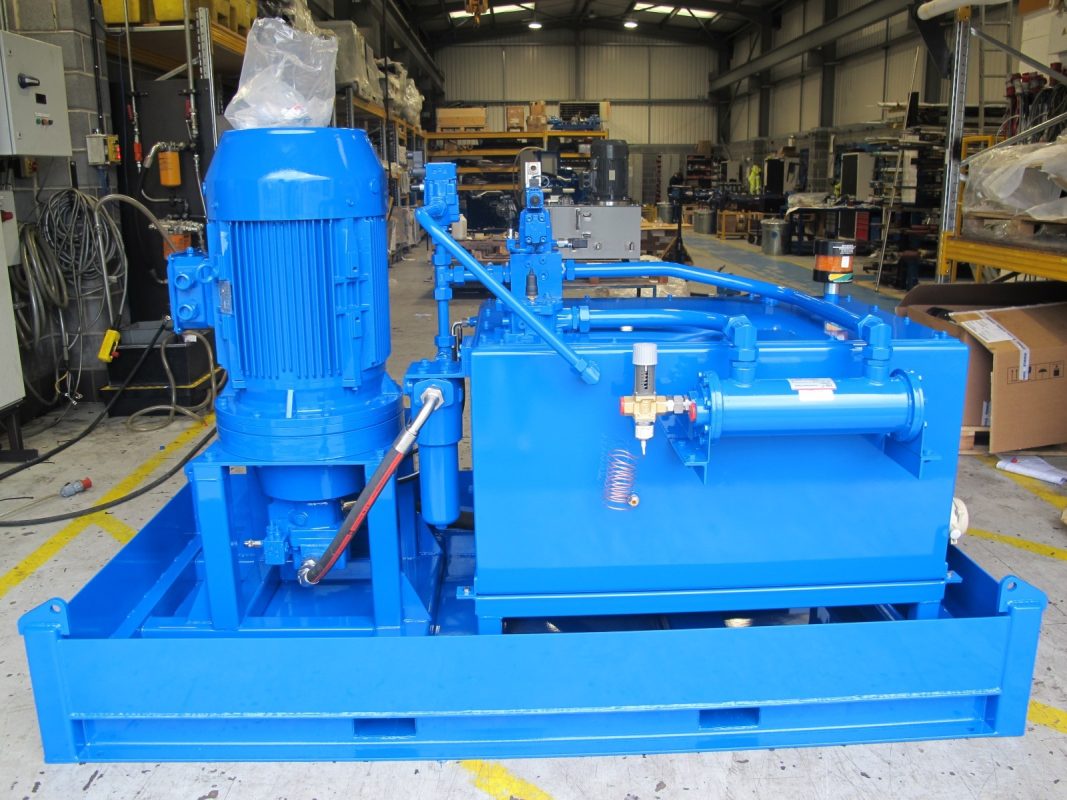
If you get the hydraulic reservoir size wrong, the whole system suffers. Undersize it, and you’re dealing with overheating, cavitation, fluid contamination, and reduced pump lifespan. Go too big, and you’re wasting space, money, and weight, especially on mobile systems.
This quick guide gives you the basics of sizing a hydraulic reservoir for both stationary and mobile equipment. At the end, you’ll find a checklist you can use when planning or reviewing a build.

Why Hydraulic Reservoir Size Matters
The hydraulic reservoir (or hydraulic tank) isn’t just a container. It performs several key jobs:
- Stores hydraulic fluid not currently in circulation
- Cools the fluid by letting heat dissipate over time
- Allows contaminants to settle before the fluid re-enters the system
- Prevents cavitation by maintaining suction head at the pump inlet

A poorly sized reservoir impacts fluid power performance and shortens the life of key hydraulic components.
General Rule of Thumb for Sizing
For most stationary hydraulic systems, the usual rule is:
Reservoir volume = 3x pump flow rate (L/min)
So, if your pump flows 40 litres per minute, aim for a 120-litre tank.
For mobile hydraulic systems, the ratio often drops to 1.5–2x the pump flow rate to save weight and space.
But these are only starting points. Actual sizing should factor in:
- Return flow surges from actuators or cylinders
- Heat generated by the system
- Tank geometry and surface area
- Baffle design and dwell time
Factors That Affect Hydraulic Reservoir Size
1. Pump Flow Rate (L/min)
Your reservoir must handle the volume passing through the tank per minute. Higher flow means more heat, more aeration, and higher return velocities.
2. Duty Cycle and Heat Dissipation
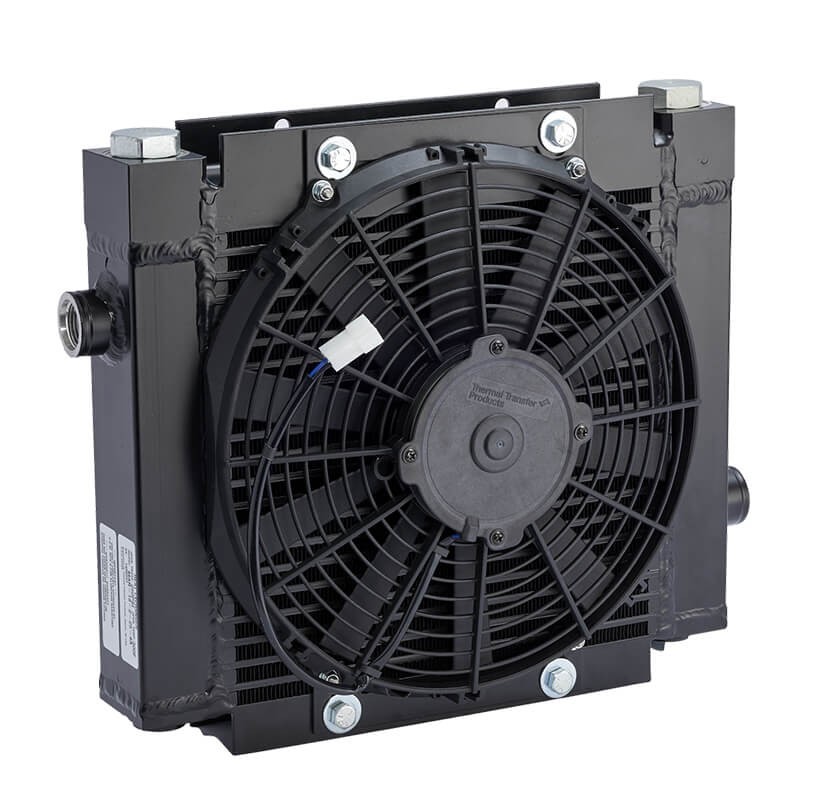
Systems that run constantly or under high load generate more heat. The reservoir needs enough surface area to let that heat dissipate, or be fitted with a cooler.
3. Return Line Surge and Dwell Time
Fluid needs enough time in the tank to cool, de-aerate, and let contaminants settle. If it’s in and out too fast, you risk:
- Foaming and oxidation
- Pump cavitation
- Premature wear on components
4. Fluid Type and Operating Temperatures
Low-viscosity fluids may require longer dwell times. Systems running in cold or hot environments need sizing that matches the thermal expansion and cooling demands.
5. Physical Constraints
Especially in mobile hydraulic systems, weight, size, and mounting constraints often force compromises. In these cases, consider:
- Adding coolers to reduce the required tank volume
- Using non-conventional reservoir designs with baffling or vertical tanks
Hydraulic Reservoir Design Essentials
Even the right size of hydraulic tank can cause problems if it’s badly designed. Here’s what to include:
- Baffles: Direct return fluid away from the suction line to increase dwell time
- Fill breather: Prevents vacuum or overpressure and filters incoming air
- Sight gauge + level switch: For visual inspection and alarms
- Drain plug: For easy fluid changes and contamination checks
- Clean-out port: For tank cleaning during maintenance
- Suction strainer or filter: To protect the pump from particles
- Return line diffuser: Reduces aeration and fluid disturbance
Signs Your Reservoir Is Too Small
- Fluid foaming or discolouration
- Frequent pump cavitation
- Hydraulic oil temperatures consistently above 65°C
- Visible contamination in fluid
- Short intervals between oil changes
- Erratic actuator performance
Reservoir Sizing Checklist
Before you spec or order a hydraulic reservoir, it’s worth running through a few essentials. We’ve put together a one-page hydraulic reservoir sizing checklist to help catch issues early, like poor heat dissipation, pump cavitation or awkward maintenance access.
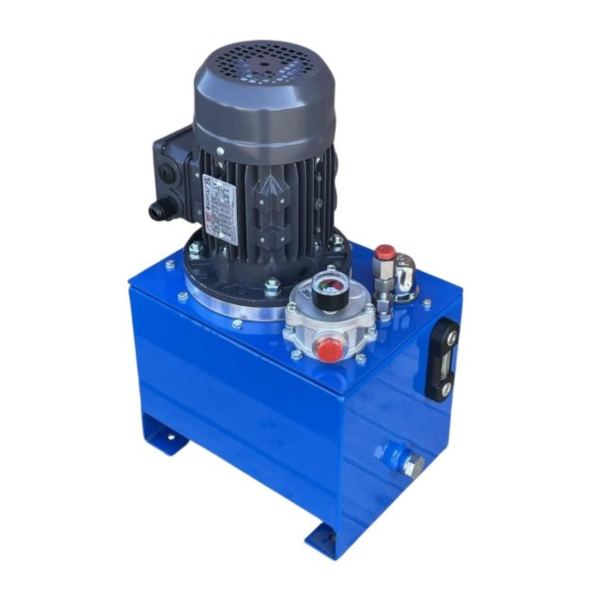
Download the checklist and use it as a quick reference when reviewing designs or sizing up a hydraulic power unit.
Covers:
- Flow & Volume
- System Type
- Thermal & Environment
- Design Features
- Access & Maintenance
Tick everything? You’re probably in good shape.
Final Thoughts
When it comes to hydraulic tanks, size matters. But so does the design, the heat load, and the fluid movement inside the tank. If you’re working to tight space or weight limits, don’t just shrink the reservoir, adjust the design accordingly.
A well-sized and well-designed hydraulic reservoir keeps fluid temperature stable, contaminants under control, and your hydraulic system running reliably. Get it wrong, and you’ll chase performance issues from startup to shutdown.
Use the checklist above before you spec your next hydraulic power unit.